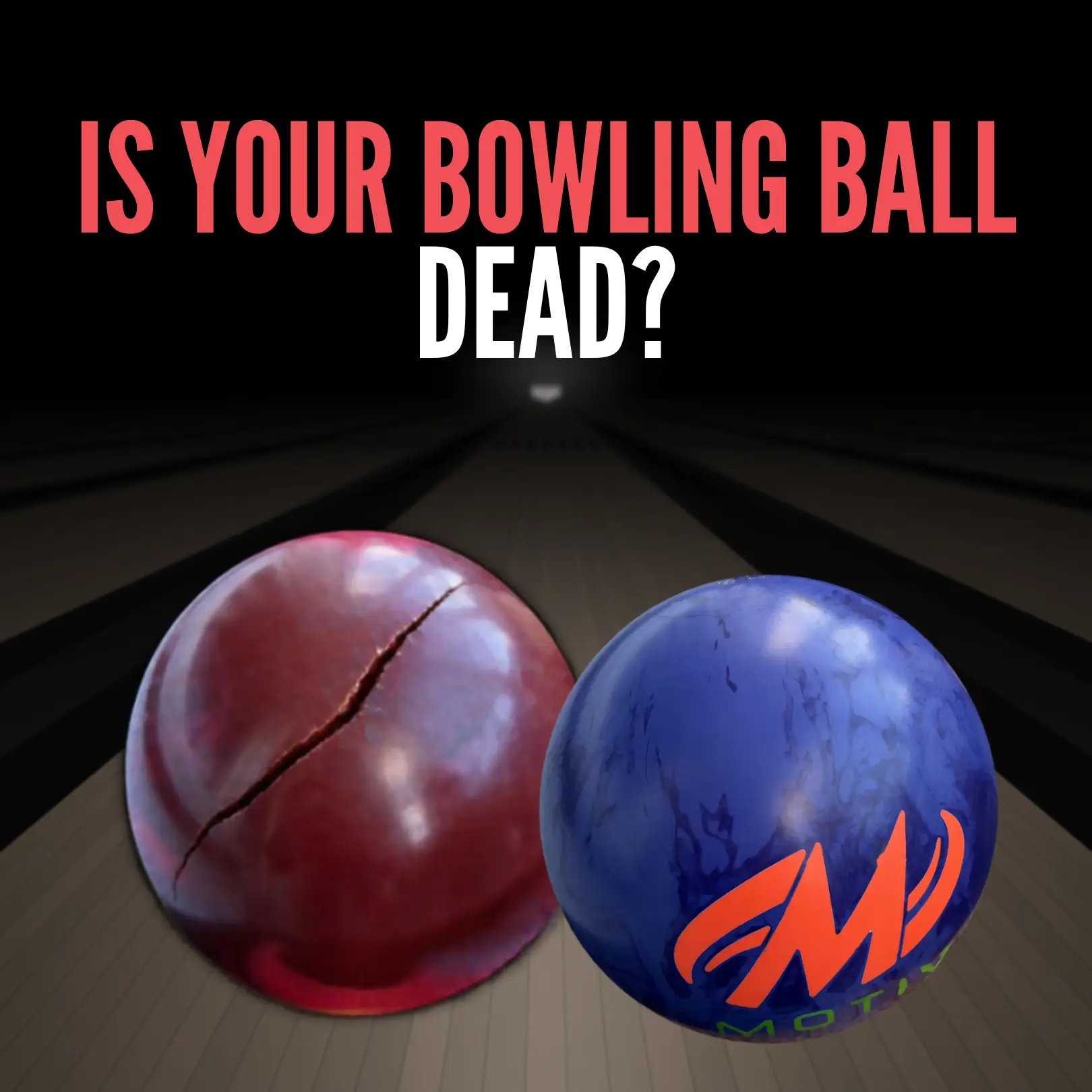
Most reactive bowling balls should be resurfaced every 50 to 80 games. MOTIV tells bowlers to have a pro shop resurface the ball after about 50 games, and Storm puts the interval at 60 to 80 games, with oil extraction every 30 to 50 games in between.
The real answer depends on how often you bowl, which coverstock you throw and how hard the ball has to work on the lanes you play.
The game count is a guide, not a deadline. Every shot puts oil into the cover and wears the surface where the ball rolls, so the ball slowly starts to hook later and weaker than it did out of the box. Resurfacing puts the original texture back, and the right time to do it is when the reaction starts to fade, not when a calendar says so.
How Many Games Before a Bowling Ball Needs Resurfacing?
For a reactive resin ball, plan on a full resurface every 50 to 80 games. That is the range the two big manufacturers give, and it lines up with what most pro shops tell their customers.
Here is what the manufacturers say:
- MOTIV: have a pro shop resurface the ball after approximately 50 games. Higher-grit polished balls need it less often because their surface wears better.
- Storm: resurface every 60 to 80 games, extract oil every 30 to 50 games, and clean after every session. Resurface sooner if the track is visibly worn, the motion softens or turns inconsistent, or oil extraction no longer brings the reaction back.
To turn games into weeks, count how many games the ball actually throws. A ball you use for three league games a week reaches 60 games in about five months. A ball that sees practice and tournament play can get there in a few weeks.
Resurfacing Rhythm
Recommended maintenance timing based on a 60-game benchmark:
Games per week are for that one ball, not your whole bag. If you split your games across four balls, each ball ages much more slowly than the table suggests.
My own routine is stricter than the manufacturer numbers. I refresh the final surface roughly every 10 to 12 games and do a full resurface somewhere between 24 and 48 games, depending on how much the ball has been used and where I have been bowling. It is a personal habit, not a rule, but it keeps the reaction close to what I expect every time I pick the ball up.

What Are the Signs Your Bowling Ball Needs Resurfacing?
The clearest sign is a ball that hooks later and less than it used to on the same pattern, even after a good clean. Storm's resurfacing guide describes it as a ball that "isn't hooking quite as expected", reads the midlane late or loses its edge altogether.
Watch for these signs:
- The ball skids further down the lane before it starts to turn.
- The backend motion is softer and the ball finishes weaker into the pocket.
- You need to move your feet and target further left (for a right-hander) than you used to on the same pattern to get the same entry angle.
- The track ring looks dull, shiny or worn compared with the rest of the cover.
- The cover has scratches, scuffs or small nicks from the ball return.
- The reaction changes from game to game even when your shot feels the same.
From my experience, the ball tells you before the game count does. The first thing I usually notice is that it stops picking up in the midlane on fresh oil, and shots I would normally carry start leaving corner pins. When that happens I clean it first, and if a proper clean does not bring it back, the surface is the next thing I look at.
If your ball is losing hook, also look at your own game before you blame the cover. Changes in your rev rate, speed or the oil pattern you are bowling on can all make a healthy ball look tired.
What Is the Difference Between Cleaning, Oil Extraction and Resurfacing?
Cleaning removes oil and dirt from the surface, oil extraction pulls oil out of the cover's pores, and resurfacing sands the cover back to a set grit. They solve different problems, and most bowlers need all three at different intervals.
Ball Maintenance Guide
Manufacturer-recommended routine from routine shots to deep servicing:
Removes lane oil before it soaks into the coverstock.
Removes oil, dirt, and lane residue from the surface with an approved cleaner.
Draws absorbed oil out of the coverstock using controlled heat.
Sands the cover back to a chosen grit and restores original texture.
The order matters. Resurfacing a ball that is full of oil only gives you a fresh surface sitting on top of an oil-soaked cover, so pro shops usually extract the oil first and resurface after. Our guide on how to clean a bowling ball at home covers the cleaning and hot water methods, and the Revivor guide explains the heated machine many centres use.
A mistake I made early on was reaching for sanding pads when the ball only needed a proper clean. I took off cover that did not need to come off. These days I clean first, extract oil if the ball still feels flat, and only then decide whether the surface needs work.
Do Urethane, Plastic and Polished Balls Need Resurfacing as Often?
No. Sanded reactive balls need it the most, polished reactive balls a bit less, and urethane and plastic balls far less often. How quickly a ball needs work depends on how porous its cover is and how much surface texture it has to lose.
- Sanded reactive resin: the most porous and the fastest to change. These are the balls the 50 to 80 game guidance is written for.
- Polished reactive resin: MOTIV notes that higher-grit polished balls need resurfacing less often because their surface wears better. They still pick up oil, so cleaning and extraction stay on the schedule.
- Urethane: absorbs far less oil than reactive resin, so it changes more slowly, but the surface still wears and gets scuffed. Competitive bowlers also watch urethane hardness, which is why the USBC urethane rules for 2026 matter if you throw one in sanctioned play.
- Plastic (polyester): hardly absorbs oil. A plastic spare ball usually only needs resurfacing to remove scratches and chips.
If you are not sure what your ball's cover is, our guide to what bowling balls are made of explains the differences between reactive, urethane and plastic covers.
Can You Resurface a Bowling Ball at Home?
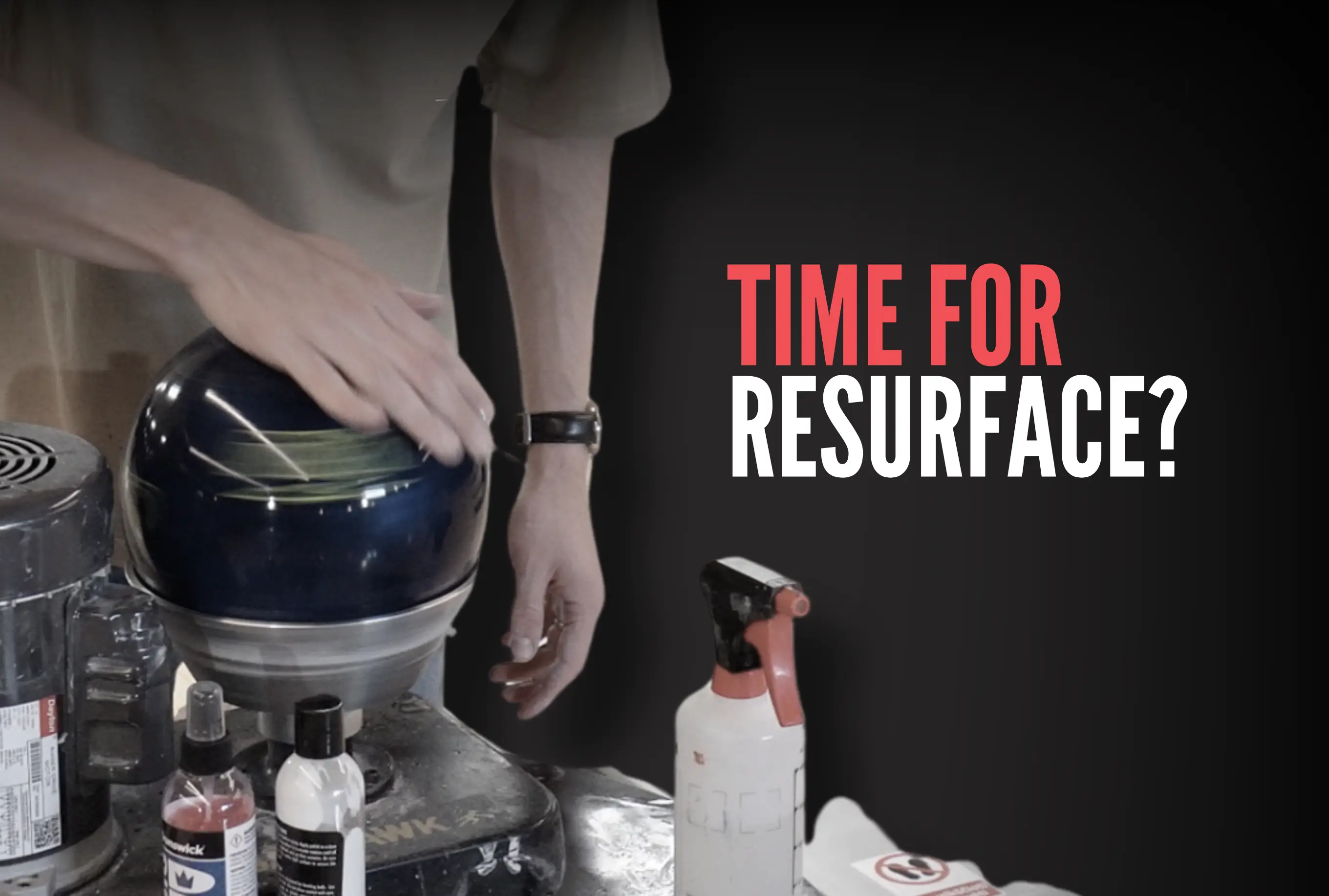
Yes. Many bowlers resurface at home with abrasive pads and water. A pro shop spinner gives a more even result, but careful hand sanding works for a touch-up or a full refresh.
Storm's resurfacing guide uses this sequence:
- Sand with a water-lubricated 500-grit pad, using firm pressure for about 30 seconds on each of four sides.
- Repeat with a 1,000-grit pad at roughly half the pressure, about 15 seconds per side with plenty of water.
- Polish or finish to the grit you want.
- Clean the ball to remove sanding residue.
Storm warns against going below 360 grit, because coarser pads can leave deep lines in the cover. A few home rules help:
- Check the ball's factory finish on the manufacturer's website before you start, so you know which grit to finish at.
- Work in even patterns across the whole ball, not just the track, or you change its shape and reaction.
- Keep the pads wet and change them when they stop cutting.
- Keep water out of the finger and thumb holes.
I do most of my resurfacing at home on a spinner, and the biggest change compared with hand sanding is consistency. The surface comes out the same every time, which makes it easier to judge whether the ball itself has changed. If you are thinking about the same step, we did the maths in is a bowling ball spinner worth it. The bowling accessories list also covers sanding pads.
How Much Does Resurfacing Cost and How Long Does It Take?
A full pro shop resurface usually costs about $15 to $50 in the US, and in Europe prices run from a few euros to around 50 euros, depending on the shop and how many steps the job includes.
Some real examples:
- Virtue Bowling Supply, a US pro shop chain, lists a basic resurface (4 sides, 4 steps) at $25 and a premium resurface (4 sides, 6 steps) at $50. A 5-minute detox oil extraction is $5.
- Our own spinner cost comparison found full resurfaces between $15 and $40, surface touch-ups at $5 to $10 and deep oil extraction at $10 to $30.
The sanding itself takes only minutes on a spinner. What decides how long you wait is the shop's queue and whether you also want oil extraction, which can take longer. Many shops can do a simple resurface while you wait or the same day.
Resurfacing is cheap compared with replacing a ball. A ball that responds to a resurface still has plenty of life in it, and our guide on how long a bowling ball lasts explains when maintenance stops helping.
Can You Resurface a Ball During League or Tournament Play?
No. Under USBC rules you cannot change a ball's surface with an abrasive or clean it with liquid or cleaning agents during competition. You can do it before or after.
The dry towel rule (USBC Rule 18) came into effect on August 1, 2019. As the National Bowling Academy summary explains:
- During competition you may only wipe the ball with a dry towel.
- A ball altered with an abrasive or cleaned with a liquid during competition must be removed from play.
- Practice is not competition, so surface changes during practice are allowed.
- If a foreign substance cannot be removed with a dry towel, an official can allow an approved cleaner.
Rules can differ in non-USBC events, so check the tournament rules before you bring pads to the centre.
How to Set Up a Simple Resurfacing Routine
The easiest way to stay on top of resurfacing is to tie it to a game count and check the ball's reaction regularly. Here is a simple routine that follows the manufacturer guidance:
- Wipe between shots. A clean microfibre towel stops lane oil soaking straight into the cover.
- Clean after every session. Use an approved bowling ball cleaner, not household products.
- Count games per ball. Write down the date and rough game count after each session.
- Extract oil every 30 to 50 games, or sooner if the ball feels flat after a clean.
- Resurface every 50 to 80 games, or when cleaning and extraction no longer bring the reaction back.
- Return to the factory finish unless you deliberately want a different grit for a different oil pattern.
- Check the cover for cracks while you are working on it. Heat and impact damage are easier to spot on a clean ball.
I keep a simple note on my phone with the date and a rough game count for each ball in my bag. It sounds fussy, but without it I always underestimate how much a ball has been used, especially my main ball.
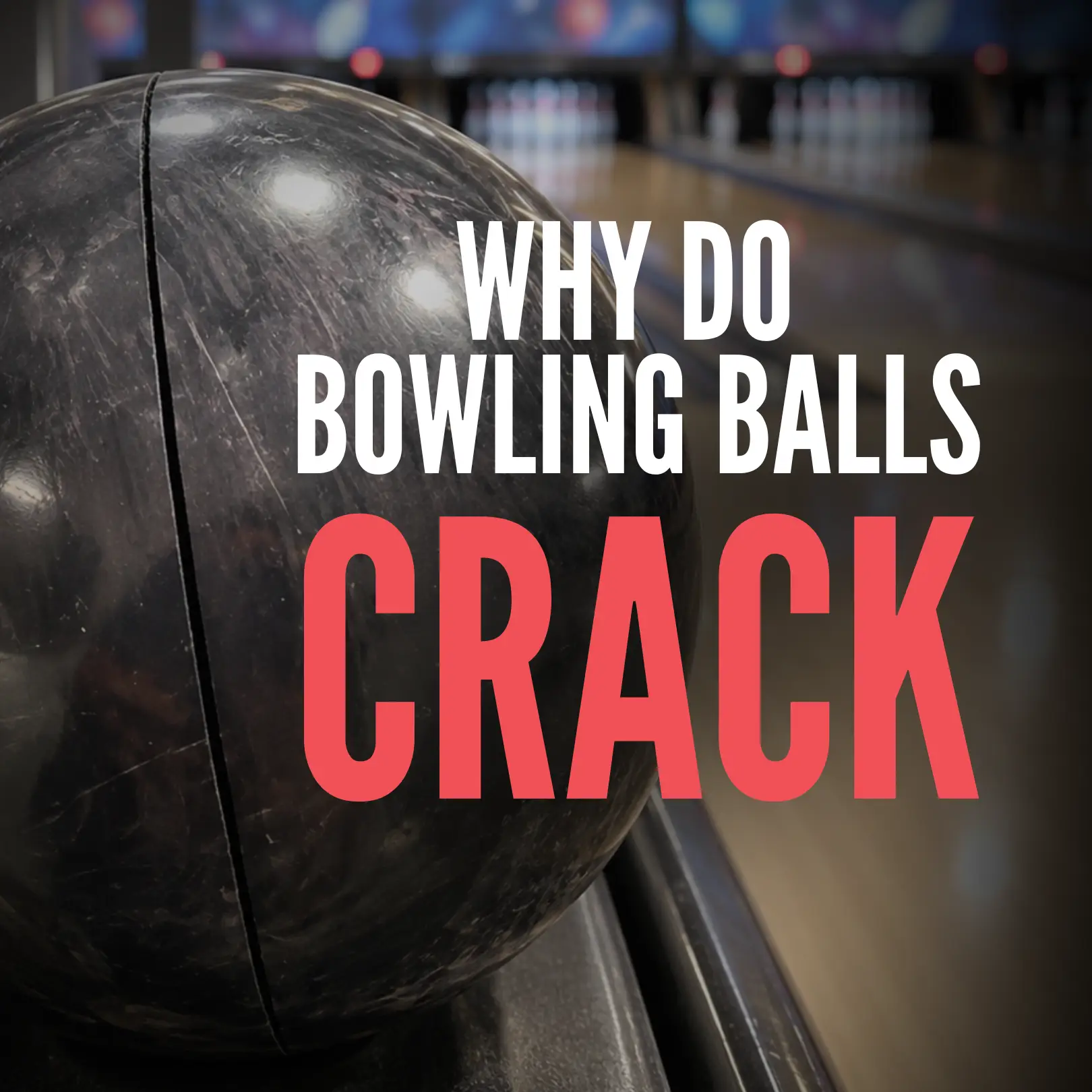
If a ball keeps losing its reaction even with this routine, or you notice hairline lines in the cover, read our guide on why bowling balls crack before you spend money on another resurface.
Your Weekly Bowling Digest
The latest bowling news, tips, and gear reviews, all wrapped up in a quick 3-minute read delivered straight to your inbox.
FAQ
How often should you resurface a bowling ball?
Manufacturers recommend a full resurface every 50 to 80 games for a reactive ball: MOTIV says about 50 games and Storm says 60 to 80. Resurface sooner if the ball hooks noticeably less on the same pattern and a deep clean does not fix it.
How often should you clean a bowling ball?
Clean it after every session with an approved bowling ball cleaner and wipe it with a dry towel between shots. Storm adds oil extraction every 30 to 50 games on top of regular cleaning.
Does resurfacing make a bowling ball hook more?
It brings back the hook the ball had when it was new, because it restores the original surface texture. Sanding to a lower grit than the factory finish makes the ball read the lane earlier, while a higher grit or polish makes it go longer.
Can resurfacing bring a dead bowling ball back?
Often, yes. MOTIV says a clean and resurface can restore performance to like-new when a ball starts losing reaction. Storm says to replace a ball when multiple resurfaces no longer help.
What grit should I resurface my bowling ball to?
Start with the ball's factory finish, which is listed on the manufacturer's website. Storm's guide says 500 to 1,000 grit gives an early, smooth reaction for heavy oil, 2,000 to 3,000 is a balanced benchmark, and polish gives more length and a sharper backend on light oil.
Is it bad to resurface a bowling ball too often?
Each resurface removes a thin layer of cover, so sanding more than you need wastes coverstock. Light touch-ups at the finishing grit remove very little, while full resurfaces starting at coarse grits should stay closer to the manufacturer intervals.