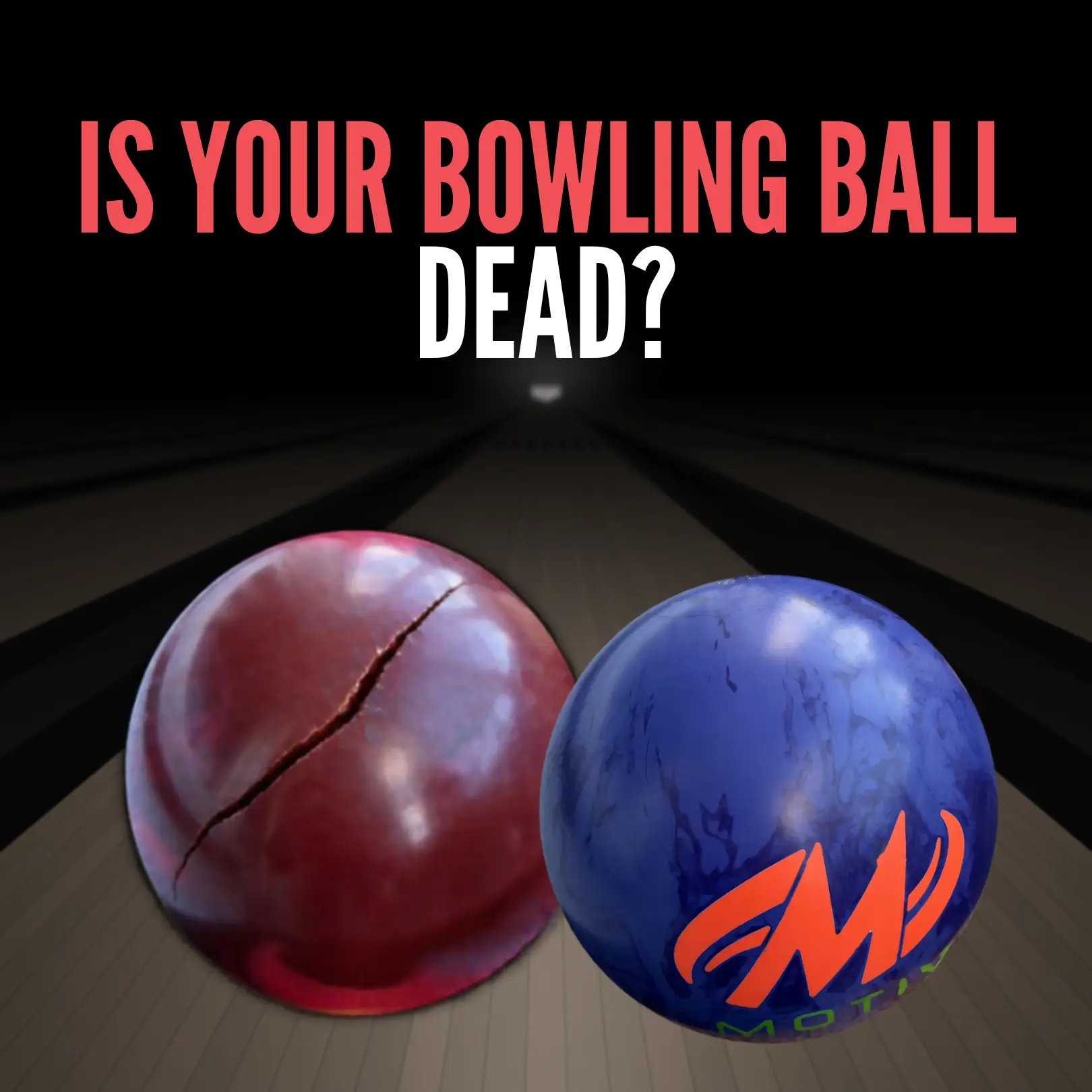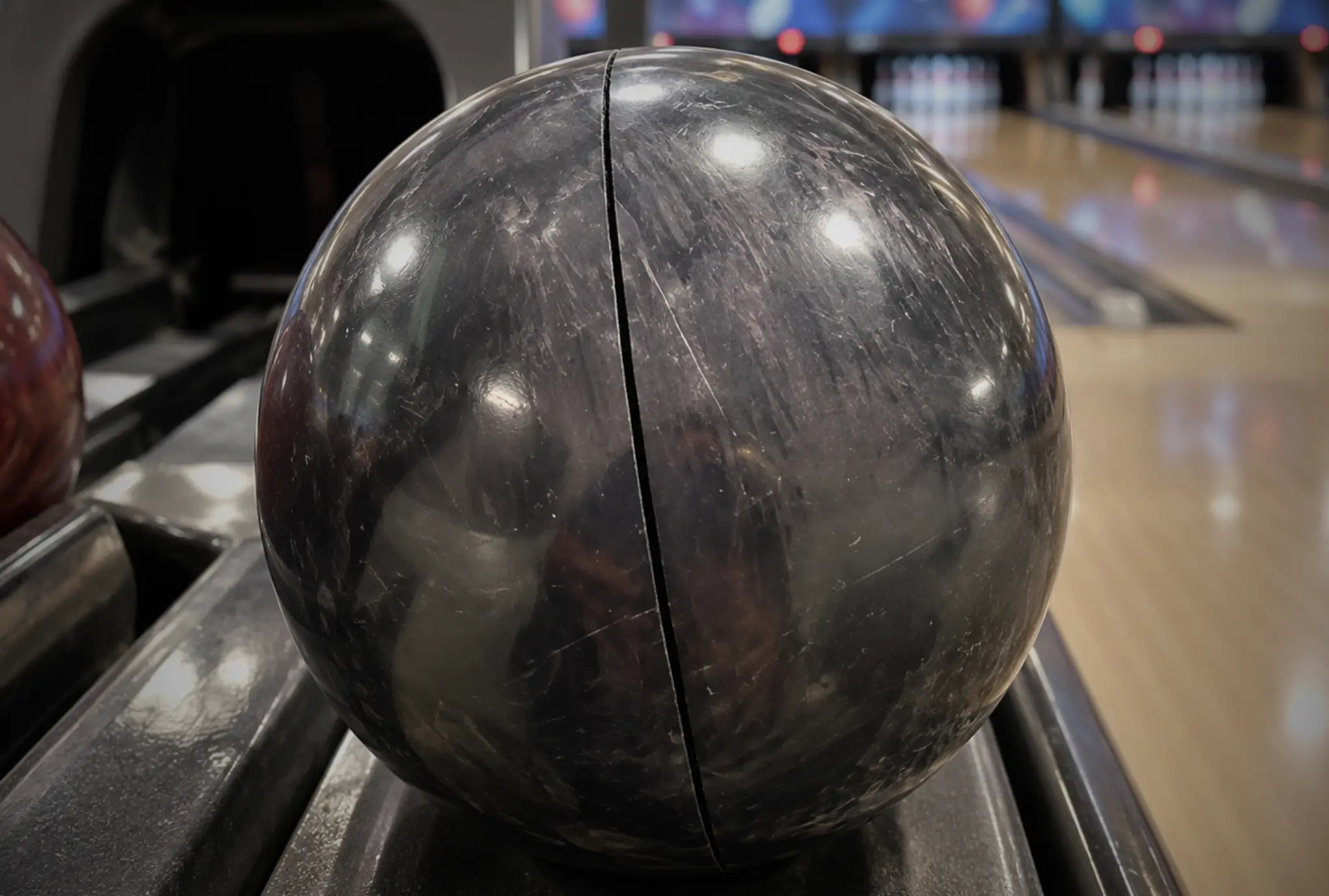
Sometimes, there is an obvious explanation for why a bowling ball cracks. Bowling balls can crack because of environmental conditions, drilling-related damage or defects in materials or workmanship. At other times, you open the bag and find a broken ball without knowing why. Whether it can still be used depends on the type and location of the damage and, of course, the rules of your competition.
I have been relatively lucky. After years of bowling and owning plenty of
bowling balls, I can remember only one major crack: my trusty Track Alias back
in 2019.
It was inside a bowling bag on a rack in a service room behind the bowling
center’s pinsetters. There were no major temperature or humidity changes that
I knew of, and no obvious mechanical damage. Then, one day, I found it
cracked. I still cannot explain exactly why it happened.
Why do bowling balls crack, even in storage?
A modern bowling ball combines a coverstock with internal materials and a weight block. It is built to withstand repeated use, but that does not make it immune to material failure or environmental damage.
In its published explanation of ball cracking, Storm says highly reactive coverstocks are more likely to crack than traditional urethane coverstocks because of their chemical composition. It identifies temperature and humidity extremes, prolonged contact with hard surfaces, direct airflow from vents and lack of use as factors that can increase the likelihood of cracking.
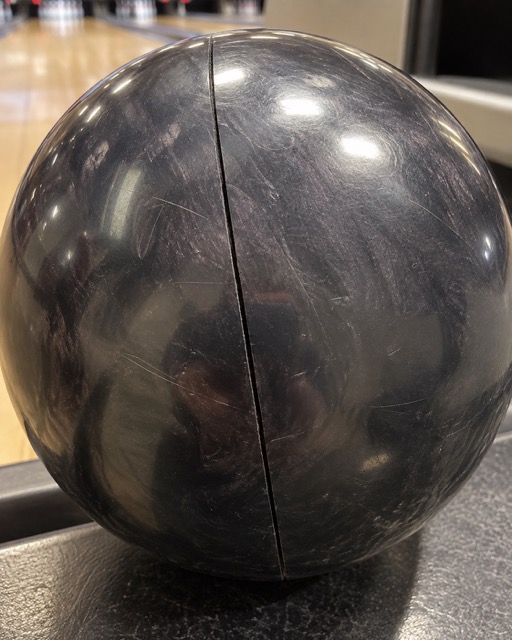
That helps explain why a ball can develop a crack even when it is not being used. However, knowing the possible causes does not tell you what happened to your particular ball. Finding a crack after several months in storage does not necessarily mean the storage conditions caused it.
My Alias is a good reminder of that uncertainty. I could not point to an obvious storage mistake, but I also had no way of knowing what was happening inside the ball.

Can heat or cold crack a bowling ball?
Manufacturers identify extreme temperatures as a risk, so it is worth reconsidering the habit of storing bowling balls in a car. Carrying your bag outside for a short journey is very different from leaving it in a trunk through freezing nights or hot afternoons.
Living in Lithuania, I pay attention to both. If the temperature inside the car is likely to drop below around 5°C (41°F) overnight, my bowling balls come indoors. During summer, I do the same when temperatures rise above roughly 25°C (77°F) or if the car is standing in direct sunlight.
Those are my personal, conservative limits. They are not manufacturer specifications or a guaranteed safe temperature range. The habit matters more to me than the precise number: I prefer keeping expensive equipment in a stable indoor environment instead of leaving it in the car between sessions.
Heat also deserves attention during maintenance. Brunswick’s two-year reactive and urethane warranty excludes damage caused by warming a ball above 125°F, approximately 51°C. That does not mean this is a recommended temperature for removing oil. If your ball needs more than routine cleaning, ask your pro shop how to treat it rather than experimenting with heat at home.
How I store my bowling balls
Today, I keep my equipment in a storage room inside my apartment, where the temperature and humidity remain relatively stable. None of the balls I have stored there have cracked over the past several years. Of course, that is just my experience, not proof that my method can prevent every ball from cracking.
I keep my bowling balls in bags or boxes. When space allows, I also avoid stacking full bowling-ball bags or heavy boxes on top of one another. That is simply my own precaution.
You do not need a dedicated equipment room to take similar precautions. A suitable place indoors, where the bag can remain undisturbed and away from temperature extremes, is a practical starting point. Just check your stored equipment occasionally.
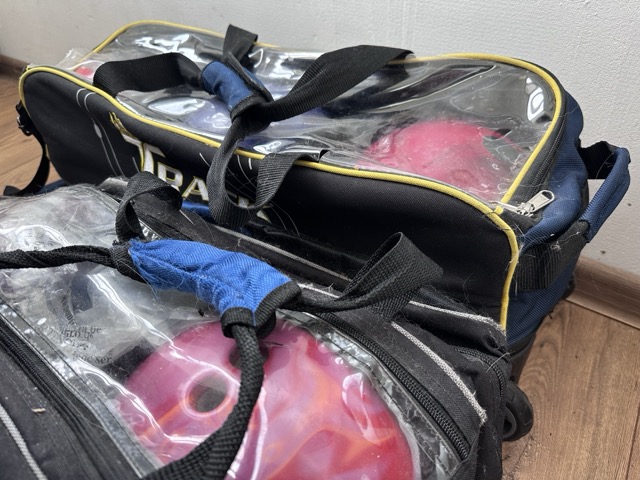
Can drilling cause a bowling ball to crack?
Drilling details matter as well. For example, Brunswick’s warranty lists damage associated with narrow finger bridges, intersecting finger holes and sharp hole edges among its exclusions. These are good reasons to have your ball fitted and drilled by a pro-shop operator you trust.
A crack around a finger or thumb hole doesn’t always mean the ball was drilled badly. Take it to your pro shop and ask them to check what might have caused it and whether it can be fixed.
Can you still bowl with a cracked bowling ball?
A scratch or a small chip does not automatically mean you need a replacement, but a visible crack should be inspected before you continue using the ball.
The USBC Equipment Specifications and Certifications Manual prohibits using a ball with a crack in the bowler’s track area, which is the part that contacts the lane. A fissure anywhere on the ball also makes it ineligible. USBC’s definition of a fissure includes a split at least three inches long or at least one-eighth of an inch wide. These restrictions apply to USBC-certified competition.
You also need to check the rules of the event you are bowling in. A small crack outside the track does not automatically mean the ball is safe to use. Let a pro shop inspect it, and ask the competition organiser whether it is allowed if you are unsure.
Can a cracked bowling ball be repaired?
Some damage can be repaired. USBC allows cracks around or between gripping holes within the span to be repaired with approved ball plug, but it does not allow fissures to be repaired. Simply covering a crack does not make the ball legal to use again. What can be done depends on where the damage is and how serious it is, so take it to a pro shop. You can find the full rules in the manual’s surface requirements.
My preference is to find out what can be saved before looking for a replacement. A ball with repairable damage may still have a useful place in your bag. Ask what the repair would cost and whether it is worth doing. You may save money while supporting the local business that fits and maintains your equipment.
However, check the warranty before having any work done. Repairing or changing the damaged area first can make it harder to work out what happened and may affect your claim.
Look after the ball, then find out what can be saved
Years later, I still cannot say whether storage, drilling, the materials or something else caused my Track Alias to crack. What I can do is take reasonable care of the equipment I own now and avoid assuming that somebody else’s ball cracked because they stored it badly.
Keep your equipment in stable conditions, follow the manufacturer’s care guidance and have any damage inspected. If a repair is possible, it is worth considering before buying a new ball. Before retiring a favourite, give your pro shop a chance to tell you whether it has another season left.
Cracks are only one reason a ball reaches the end of the road. Our guide on how long a bowling ball lasts covers the slower kind of decline, from oil absorption to worn-out covers.
Frequently asked questions about cracked bowling balls
Why did my bowling ball crack while sitting in storage?
A ball can develop a crack without being used. Storage conditions may contribute, but finding a crack does not tell you what caused it. A pro shop or manufacturer may be able to help work out what happened.
Does a crack always mean I need a new bowling ball?
No. Some damage can be repaired, while a serious split may mean the ball can no longer be used. Have it inspected and check its warranty before deciding to repair or replace it.
Can I keep a bowling ball in my car?
I use the car to transport my equipment and prefer indoor storage between sessions, especially during hot or cold weather. Follow the care guidance for your particular ball.
What should I do first if my bowling ball cracks?
Stop using it, photograph the damage and contact your retailer or pro shop. Check the warranty before making changes to the ball.
Your Weekly Bowling Digest
The latest bowling news, tips, and gear reviews—all wrapped up in a quick 3-minute read delivered straight to your inbox.