Most new bowlers who play once a week reach a steady 130 to 150 within their first season, a 170 to 180 league average usually takes two to four years of regular league play and practice, and a 200 average takes most people several years plus coaching and a ball drilled for their hand. These are guide ranges, not promises, and some bowlers move much faster or slower.
How fast you get there depends less on talent than on three things: how often you bowl, whether you practice with a goal, and whether you use your own fitted equipment instead of house balls.
It also helps to know what "good" means in numbers. In the 2022-23 season the typical male USBC league bowler averaged 178 and the typical female bowler 137, so once you pass the middle of your league you are already better than half the people who bowl every week. Our guide to what a good bowling average is breaks those benchmarks down from beginner to pro.
What Does "Good at Bowling" Actually Mean?
For most league bowlers, "good" means a 170 to 180 average on a normal house shot, because that is roughly the middle of men's league play in the United States. A 200 average puts you in the top quarter.
The best data comes from the United States Bowling Congress. Its September 2024 scoring research report looked at 917,172 male and 409,997 female league averages from the 2022-23 season. The male median was 178, with a quarter of men under 156 and a quarter over 197. The female median was 137, and the top quarter of women averaged 156 or more. Across everyone, the average of all averages was 162.6.
Here is where those numbers put each level, using the USBC report's percentiles for male league bowlers:
Where Your Average Ranks
Male league bowlers, 917,172 averages. Source: USBC scoring research report, Sept 2024.
Keep in mind who is in that data: these are people who already bowl in sanctioned leagues every week, many of them for decades. In a 2017 USBC technology survey of 18,844 members, 63% said they had bowled for 21 years or more. Being in the middle of that group is a real achievement.

How Long Does It Take to Break 150?
A bowler who plays once a week usually reaches a steady 130 to 150 within the first season, which in many leagues is 30 to 35 weeks. Bowlers who play only a few times a year can stay around 100 to 120 for a long time.
The early jump comes almost entirely from spares. A game with a spare in every frame and nine pins on each first ball scores 190 without a single strike. That is why the first goal for a new bowler should be single-pin spares, not strikes.
- Learn a simple four-step or five-step approach and use it every shot.
- Pick one target on the arrows and roll the ball over it, instead of looking at the pins.
- Shoot the 10 pin and 7 pin with a straight ball from the opposite side of the lane.
- Bowl in the same center on the same night each week, so you see the same lanes.
The right ball weight helps too. A ball that is too heavy wrecks your timing, and a house ball with holes that are too wide makes you squeeze. Our bowling ball weight guide explains how to choose.
How Long Does It Take to Learn to Hook a Bowling Ball?
Most bowlers learn the basic hook release in a few sessions, but making it repeatable usually takes three to six months of weekly bowling, and longer if they keep using a house ball.
A house ball is usually polyester or plastic and drilled for a generic hand, so it does not grip the lane much and it does not let you release the ball cleanly with your fingers. A reactive ball drilled for your hand changes that almost overnight. If your ball is skidding straight past the pocket, read why your bowling ball is not hooking before you change your release.
Rev rate is the slowest part to improve. As our bowling rev rate guide puts it, gains come from a relaxed grip, a better wrist position and cleaner timing, and they are measured in weeks and months, not one session. A common piece of advice in the bowling community is to develop the form first, then chase consistency, because you do not want to become consistent at the wrong movement.
My own routine when I work on my release is to change one thing at a time and give it at least a full game before I decide anything. Filming a few shots on a phone has taught me more than any single tip.
How Long Does It Take to Reach a 170 to 180 Average?
For a bowler who joins a league, owns a fitted reactive ball and practices with a goal, 170 to 180 usually comes after two to four seasons. Without your own equipment or practice, many bowlers stay between 150 and 165 for years.
The step from 150 to 175 is about making your strike shot repeatable. At this level you need to hit the same target at the same speed most of the time, and start to read when the lane changes. Three habits matter most:
- Repeatable speed. A few miles per hour of difference changes where the ball hooks. Many centers show ball speed on the screen; use it.
- Moving with the oil. When your ball starts hooking early, move your feet and target left (for right-handers) instead of throwing harder.
- Clean spares. At 170 you should convert nearly every single-pin spare. Each missed spare costs you about 10 pins plus the bonus.
The fastest way to add 10 to 20 pins at this stage is covered in our tips to increase your bowling average.
How Long Does It Take to Get a 200 Average?
A 200 average takes most adult bowlers five years or more of regular league play, coaching and a small arsenal of balls. Young bowlers who start in youth leagues often get there faster because they bowl several times a week for years.
A 200 average is far more common than it used to be. As coach Tyrel Rose writes in Bowling This Month, 30 years ago a 200 average made you an elite league player, and many bowlers now feel stuck between 180 and 190. Still, in the USBC data only a quarter of male league bowlers averaged above 197 in 2022-23, and about 5% averaged above 217.
The age data in the same USBC report helps explain the gap. Bowlers aged 36 and under improve a lot more each season than older bowlers decline, and USBC says much of that comes from young bowlers who start with low averages and have lots of room to grow. Starting young and bowling often is the biggest shortcut there is.
At the 200 level you need more than one ball (usually a strong ball for heavy oil, a weaker one for when the lanes dry out, and a plastic spare ball), you need to read transition during a set, and you need a coach who can see what you cannot. Keeping your equipment in shape matters too; see how often to resurface a bowling ball and how long a bowling ball lasts.
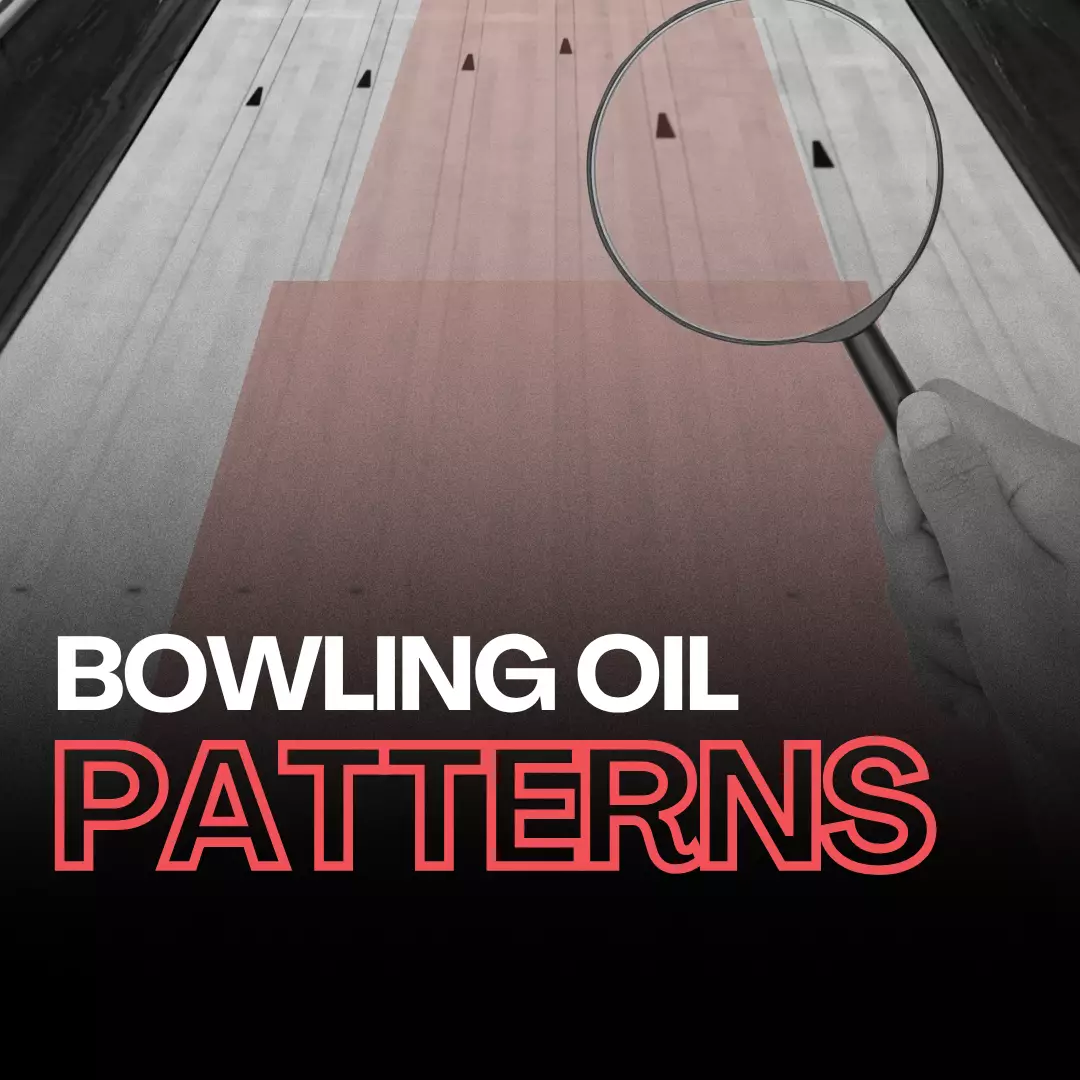
Scores also depend on the lane pattern. USBC research shows that averages on the harder Sport Bowling patterns are lower than on standard house conditions, so a 200 on a house shot and a 200 on a sport pattern are not the same skill.
Here is a rough timeline for a bowler who starts as an adult and bowls once or twice a week:
How Long to Each Level
Adult beginner, once or twice a week. Guide ranges from league experience, not a study.
What Speeds Up Improvement?
The four things that shorten the timeline most are weekly league play, a ball drilled for your hand, a few lessons with a certified coach, and practice sessions with one clear goal.
- League play. A league gives you more or less three games a week on the same lanes, a USBC average you can track, and a reason to keep going in a bad month.
- Your own drilled ball. A fitted grip lets you relax your hand and release the ball the same way every time. Most bowlers see the change in their first few weeks. If you are a one hander and your thumb catches or sticks, read why your thumb gets stuck in your bowling ball.
- Coaching. A coach can spot a timing or balance problem in one session that you could spend a season guessing at. Even one lesson a season is worth it.
- Practice with a goal. Bowling ten games without a plan mostly repeats your habits. One or two goals per session, such as 20 shots at the 10 pin or keeping the same speed for a full game, works better.
- Video. Filming your approach from behind and from the side shows drift, a dropped shoulder or a late slide that you cannot feel. Nowadays there are also plenty of apps available that track your shot, line and other stats.
For context on how far the top end goes: coach Joe Slowinski's long-term development model in Bowling This Month uses the 10,000-hour rule for elite performance, roughly nineteen hours a week for ten years. That is for reaching the highest level, not for a 180 league average, but it shows why patience matters.
Why Do Bowlers Plateau, and How Do You Break Through?
Most bowlers stall when their scores stop rising for a season or two, usually around 150 to 160 or 180 to 190, because the habits that got them there are not enough for the next level.
Common causes:
- Still using a house ball or a ball that no longer fits the hand.
- Bowling only on league night, with no practice at all.
- Missing easy spares because the spare shot is the same as the strike shot.
- A worn-out ball that has lost its reaction (oil soaked or never resurfaced).
- Pain that changes the swing. Shoulder or wrist pain often shows up as a muscled release; see our guide to bowling shoulder pain.
The fix is usually to go back to one basic and measure it. Count your single-pin spare conversion for four weeks. If it is under 80 to 90%, that is your plateau.
How to Build a Weekly Plan That Makes You Better
Bowl your league night, add one practice session of three to five games with a single goal, and review your numbers once a month. That plan, kept up for a full season, moves most bowlers more than any new ball.
- League night: just bowl. Note your starting spot, target and where you moved during the set.
- Practice session: pick one goal (10 pin, 7 pin, speed control, a new release) and stick to it for the whole session.
- Every month: compare your average and spare conversion with the month before.
- Every season: check your ball fit with a pro shop and book at least one lesson.
Once you know your target, the next step is to put a number on it: our guide to bowling average benchmarks shows where each level sits, and the odds of bowling a 300 game show what is waiting at the very top.
FAQ
Can you get good at bowling in a year?
You can get noticeably better in a year. A bowler who joins a league, buys a fitted ball and practices weekly can often go from around 100 to the 140 to 160 range in 12 months. Reaching 180 in one year is rare for adults who start from zero.
How many games a week should I bowl to improve?
Three league games plus one short practice session a week is enough for steady progress. More games help only if the practice has a goal. Bowling a lot of games tired or in pain usually builds bad habits.
Is bowling hard to learn?
Bowling is easy to start and hard to master. Most people can roll the ball straight and knock down pins on their first night, but repeating the same shot under pressure, reading oil and picking up spares takes years.
Do I need my own bowling ball to get better?
Not to break 120, but almost always to get past 150. A ball drilled for your hand lets you relax your grip and release it the same way every shot, which is the base for a repeatable hook.
What age is too late to start bowling?
There is no age limit. Adult beginners improve more slowly than juniors, but USBC's league data includes a large group of bowlers aged 64 and over. Starting at 40 or 50 still gives you plenty of years to reach a solid league average.
Why are my scores getting worse when I learn a hook?
It is normal. A new release is less accurate at first, so many bowlers drop 10 to 20 pins for a few weeks or months before they climb past their old average. Keep shooting spares straight while the hook settles.
Your Weekly Bowling Digest
The latest bowling news, tips, and gear reviews, all wrapped up in a quick 3-minute read delivered straight to your inbox.