*BowlingLife provides independent technical analysis to help you grow your game. This article contains affiliate links; we may earn a small commission at no extra cost to you.
If you’ve been bowling in a league for a while, you know the cycle: your favorite ball starts to lose its "pop," and you head to the pro shop for a refresh. After a few trips paying for professional services, the question always comes up: Is a bowling ball spinner worth the money?
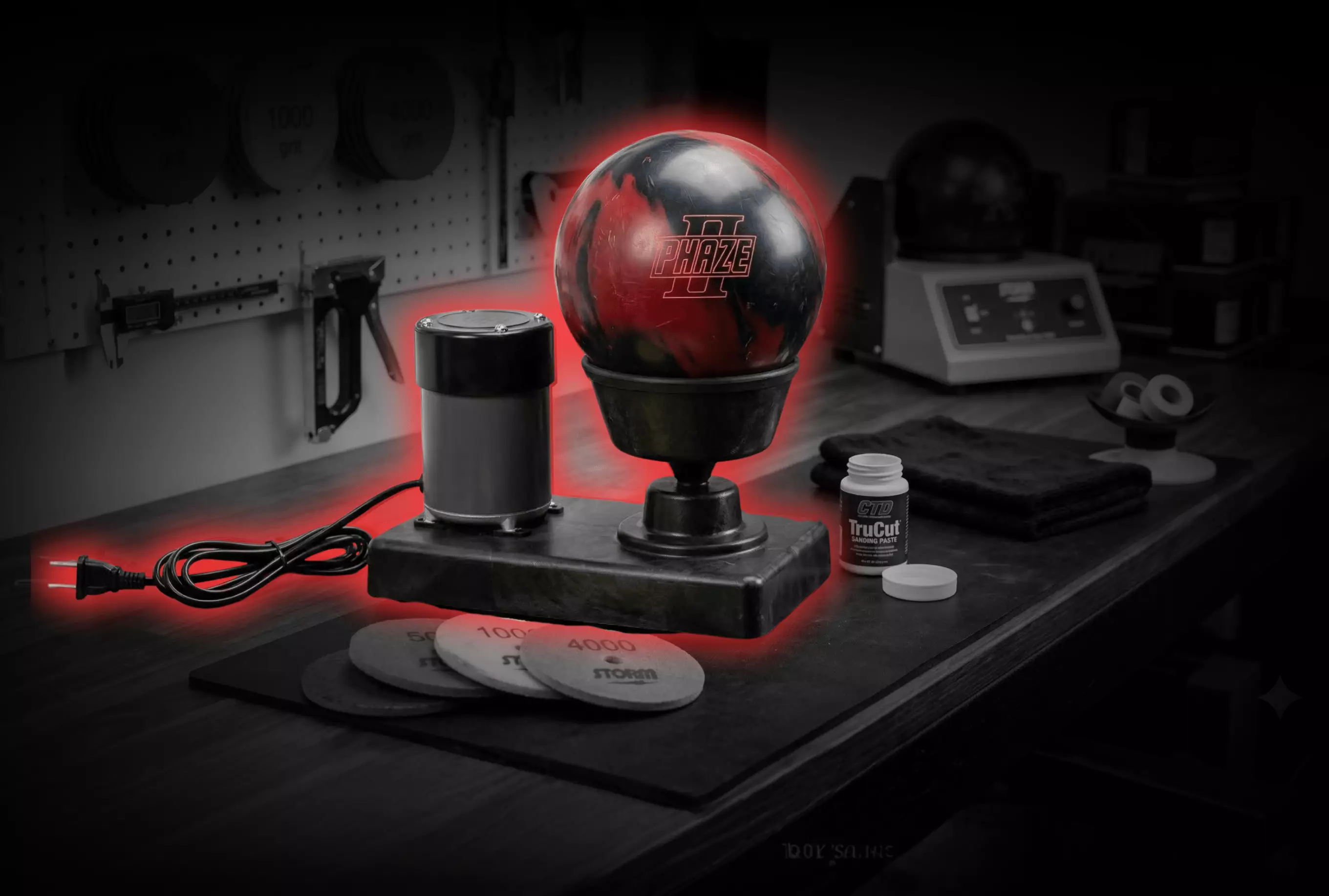
While high-end industrial spinners used in pro shops can cost upwards of $1,200, a personal motorized spinner is the most affordable way to get professional results at home. In this guide, we break down the math of pro shop fees vs. owning your own gear, and why a personal spinner is the best budget-quality investment for your game.
Quick Picks: Best Home Spinners of 2026
- The Powerhouse: Innovative 1/2 HP Personal Spinner (~$447) — Best for heavy resurfacing.
- The Standard: Innovative 1/3 HP Personal Spinner (~$418) — Best for routine league maintenance.
The Math: Pro Shop Fees vs. Home Maintenance
To keep a high-performance reactive ball hitting the pocket, you need regular surface maintenance. Most pro shops charge a premium for these technical services.
Without it, a reactive ball slowly loses its reaction. Here's how long a bowling ball lasts and how resurfacing stretches that.
Here is how the costs stack up over a typical season:
| Service | Pro Shop Cost | Home Cost (w/ Spinner) |
|---|---|---|
| Full Resurface | $15.00 – $40.00 | ~$2.00 (Pad wear) |
| Surface Touch-up | $5.00 – $10.00 | Free |
| Deep Oil Extraction | $10.00 – $30.00 | $0.50 (Energy/Water) |
The Verdict: At an average pro shop price of $30 per resurface, a home spinner pays for itself after just 14 uses. If you own an arsenal of 3 or more balls and refresh your surface twice a season, the machine is completely paid for by the end of your second year. For tournament grinders with larger bags, the break-even point often hits in less than 12 months.
Video Guide: How to Resurface at Home
Next Step
Before you buy a bowling ball spinner, you need a ball!
See our updated list of the Best Bowling Balls of 2026 →
The Market: Why "Personal" is the Smart Choice
When you start shopping for spinners, you'll see a massive range in pricing. Industrial grade machines, like the Jayhawk Pro Model (~$875) or the Innovative Two-Speed Spinner (~$1,275), are designed for 24/7 use in a high-volume shop.
How does a personal spinner compare to a pro machine?
- Industrial ($900 - $1,300+): Feature heavy cast-iron bases and multiple speeds. They are built for pro shops resurfacing 50+ balls a day.
- Budget-Quality Personal ($370 - $450): These use the same high-quality nylon components and reliable motors, but in a format perfect for the home bowler.
For 99% of bowlers, industrial machines are overkill. A personal spinner provides the exact same surface results for less than half the cost.
Best Budget-Quality Personal Spinners for Home Use
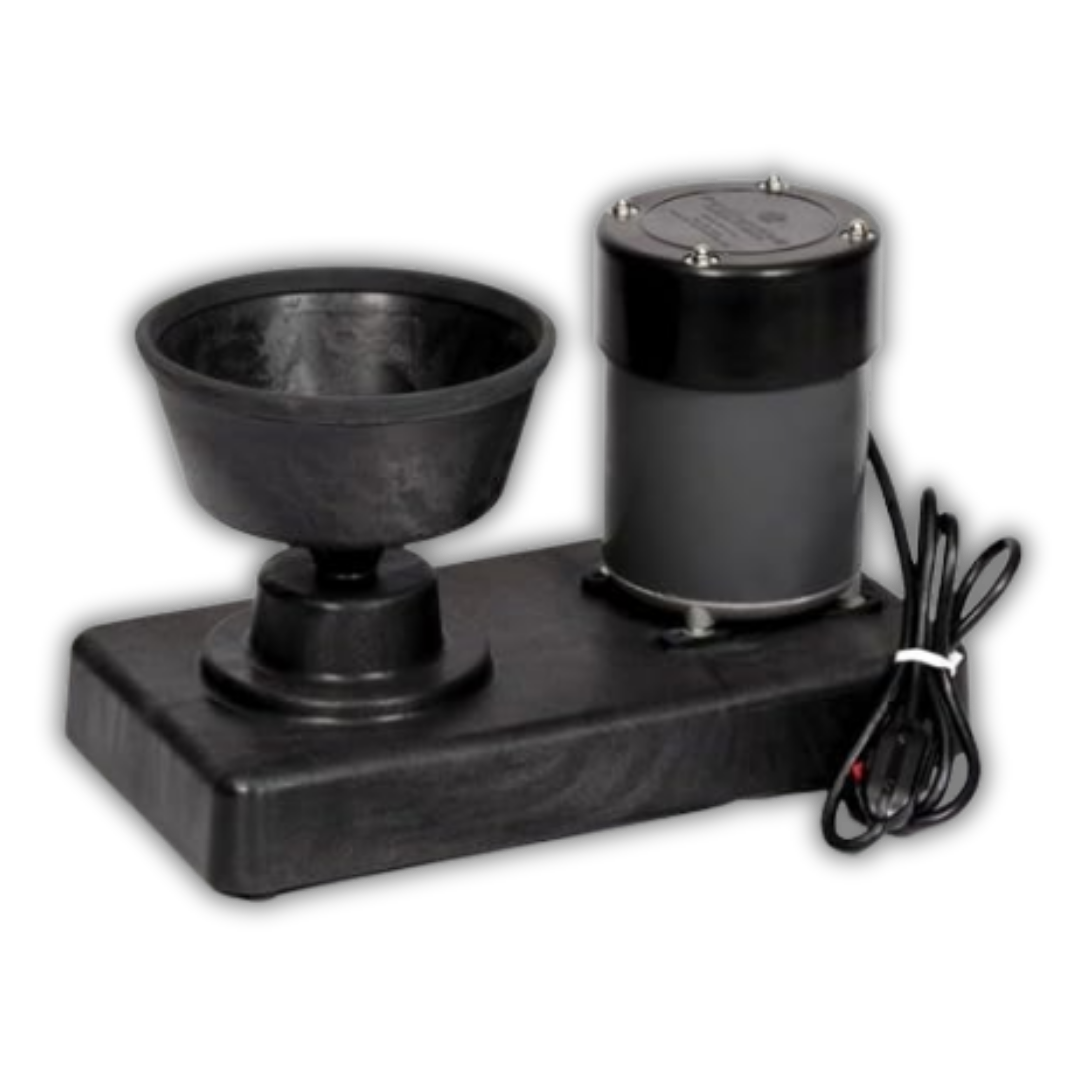
Innovative 1/2 HP Personal Spinner — Heavy Duty
The 1/2 HP model is the powerhouse recommendation for serious bowlers. The extra torque ensures the bowl never "stalls" or slows down when you apply heavy pressure during aggressive sanding (500-1000 grit). Built from indestructible nylon, it brings industrial pro-shop results to your home.
Best For: Full resurfacing and solid reactive balls
Price: ~$447.42
Innovative 1/3 HP Personal Spinner — Standard
If you primarily use a spinner for routine cleaning and light surface touch-ups (2000-4000 grit), the 1/3 HP model offers the perfect balance of budget and quality. It’s slightly lighter and more portable.
Best For: Standard league maintenance and portability
Price: ~$418.04
Technical Tip: The "Two-Step" Restoration
Owning a spinner is the second step to a fresh ball. To fully restore a ball at home, you must first remove the absorbed lane oil. Resurfacing an oil-soaked ball without cleaning the pores is simply "polishing the dirt."
Step 1: Oil Extraction
Use a ball revivor machine or the hot water bucket method to pull oil from the pores.
Step 2: Resurfacing
Use your spinner and Sanding Pads to restore the exact factory grit or customize your hook potential.
Final Thoughts: Is the Investment Worth It?
If you are a competitive league player, a tournament grinder, or a two-hander who needs absolute control over their ball motion, a bowling ball spinner is absolutely worth it. The ability to independently manage your surface means you are no longer at the mercy of pro shop hours or backlogs. You become the master of your own ball motion.