Editorial

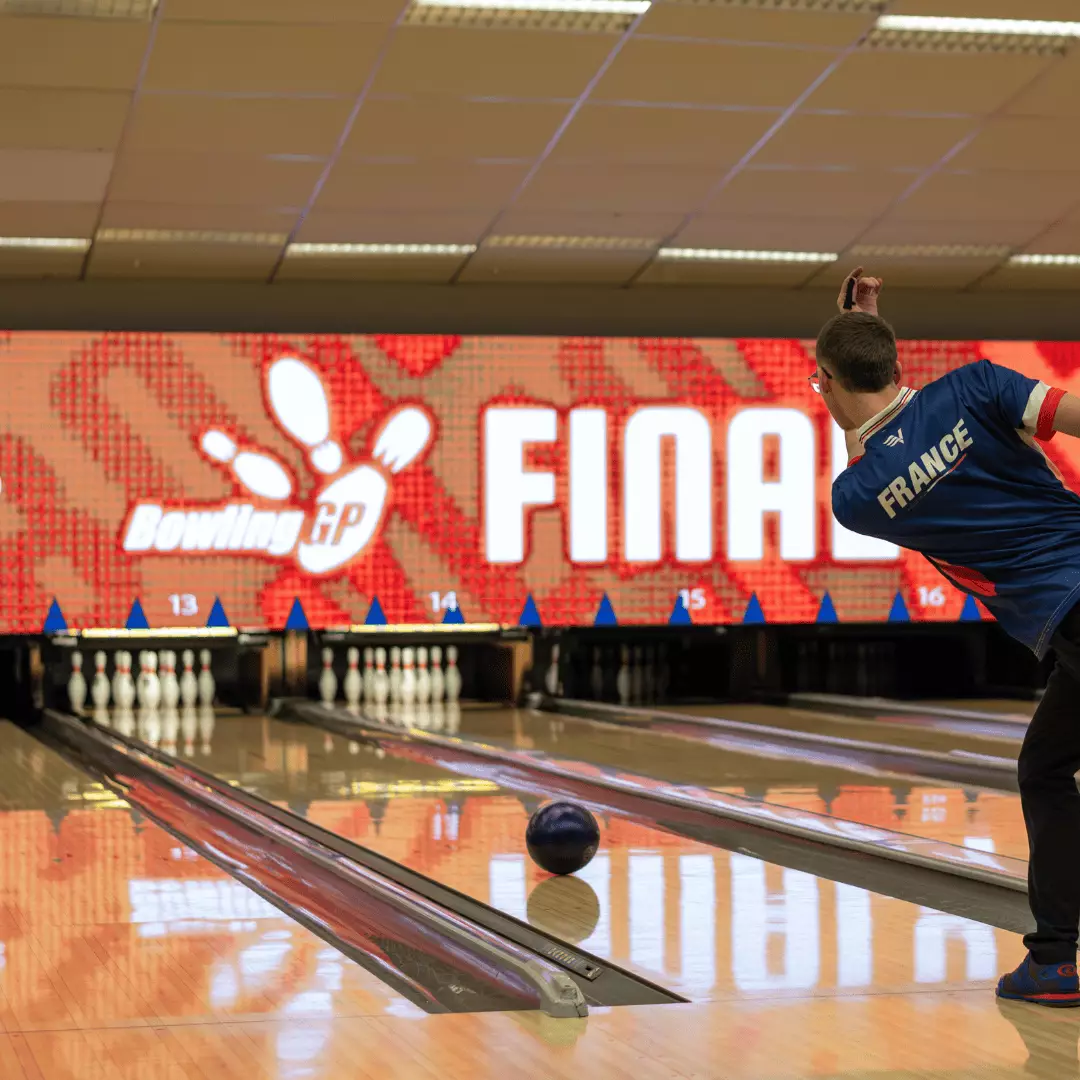
BowlingGP bowling tournament in France showcasing international players competing on the lanes

BowlingGP Setting the New High Standard for Bowling Events in Europe

Over the past few years, European bowling has seen plenty of tournaments come and go. Many are well-intended, some are memorable, but only a few manage to build a real identity. BowlingGP is one of those rare cases – a tournament brand that doesn’t just organize events, but consistently raises expectations of what a bowling tournament in Europe can be. BowlingGP Hosted in France and open to players from across the continent, BowlingGP has quietly become a reference point for quality, professionalism, and international appeal. When BowlingLife first attended BowlingGP back in 2024, the first thing that stood out was how well structured the event was. Formats were clear, communication was solid, and schedules were built to work for players, not against them. From qualification squads to finals, everything felt smooth rather thanimprovised, which is often the case at bowling tournaments. Not to mentionthat finals usually finish by Sunday lunchtime, leaving enough time forplayers to safely return home. View this post on Instagram A post shared by BowlingGP Tournaments (@bowling.gp_tournaments) View this post on Instagram A post shared by BowlingGP Tournaments (@bowling.gp_tournaments) Main Focus Is Players First of all, although BowlingGP takes place in France, it never feels like alocal-only event. International players are genuinely welcomed, which isclearly reflected in the entry lists that regularly include bowlers frommultiple countries. Moreover, BowlingGP also deserves credit for how it treats different playergroups. The organization now focuses primarily on two categories – youth andseniors. For youth bowlers, BowlingGP offers several tournament formats,ranging from individual to team events. On the senior side, BowlingGP hostsone of the best-attended stops on the International Senior Bowling Tour,further underlining its strong international appeal. Youth tournaments are clearly designed to be genuinely meaningful, not justrandom weekend bowling events. They give young players a proper internationalexperience, focused on development rather than being just another competitionwith little long-term value. Meanwhile, senior events remain competitive and professionally presented,avoiding the common trap of turning into purely social gatherings. Details That Shape the Experience BowlingGP also understands that the quality of an event is often defined bysmall details. Branding is consistent, visuals are modern, and updates are shared clearlythroughout the tournament. Players and fans are never left guessing where tofind information. That attention to detail extends beyond the lanes. One moment that stood outto us was seeing a live band performing during the BowlingGP party dinner. Itis a small touch, but a telling one. It shows that BowlingGP views thetournament as a full experience, not just a competition. The social side is treated with the same care as the sporting side, whichstrengthens the sense of community around the event. Respect for Culture BowlingGP also benefits from embracing French hospitality. The food inNormandy plays an important role, with players welcomed to tables filled withlocal cuisine. For international visitors – and for locals as well – this addsanother layer to the experience, turning meals into shared moments rather thansimple breaks between squads with a frozen pizza slice. It all comes down to thoughtfulness. These touches help players feel like theyare investing in a complete experience, not just purchasing squad entries –something many tournaments still tend to overlook. View this post on Instagram A post shared by BowlingGP Tournaments (@bowling.gp_tournaments) View this post on Instagram A post shared by BowlingGP Tournaments (@bowling.gp_tournaments) Raise the Bar What is most fascinating is that BowlingGP does not try to reinvent thebowling wheel. Instead, it focuses on doing the essentials exceptionally wellwhile adding just enough personality to make the events memorable. From BowlingLife’s perspective, BowlingGP stands out because it respects thesport and the people around it. It just feels complete. In a European bowling landscape where consistency is often missing, BowlingGPshows what is possible when events are built with care, planning, and a clearvision. That is why BowlingGP is no longer just a strong tournament series in France.It is setting a new high standard for bowling events in Europe. Upcoming Events In December, BowlingGP France Youth 2025 showcased two days of high-levelyouth competition. Two additional youth events are scheduled forthe spring, beginning with the BowlingGP Series Youth Grand Quevilly 2026 onApril 11–12. Registration is already open. For seniors, BowlingGP France Senior 2026 returns to the lanes inGrand-Quevilly from September 30 to October 4. More details will be announcedlater, so make sure to follow BowlingGP on social media and atbowlinggp.com. bowlinggp.com
Editorial
BowlingLife Fantasy League

BowlingLife Fantasy League Opens Picks for PBA Players Championship

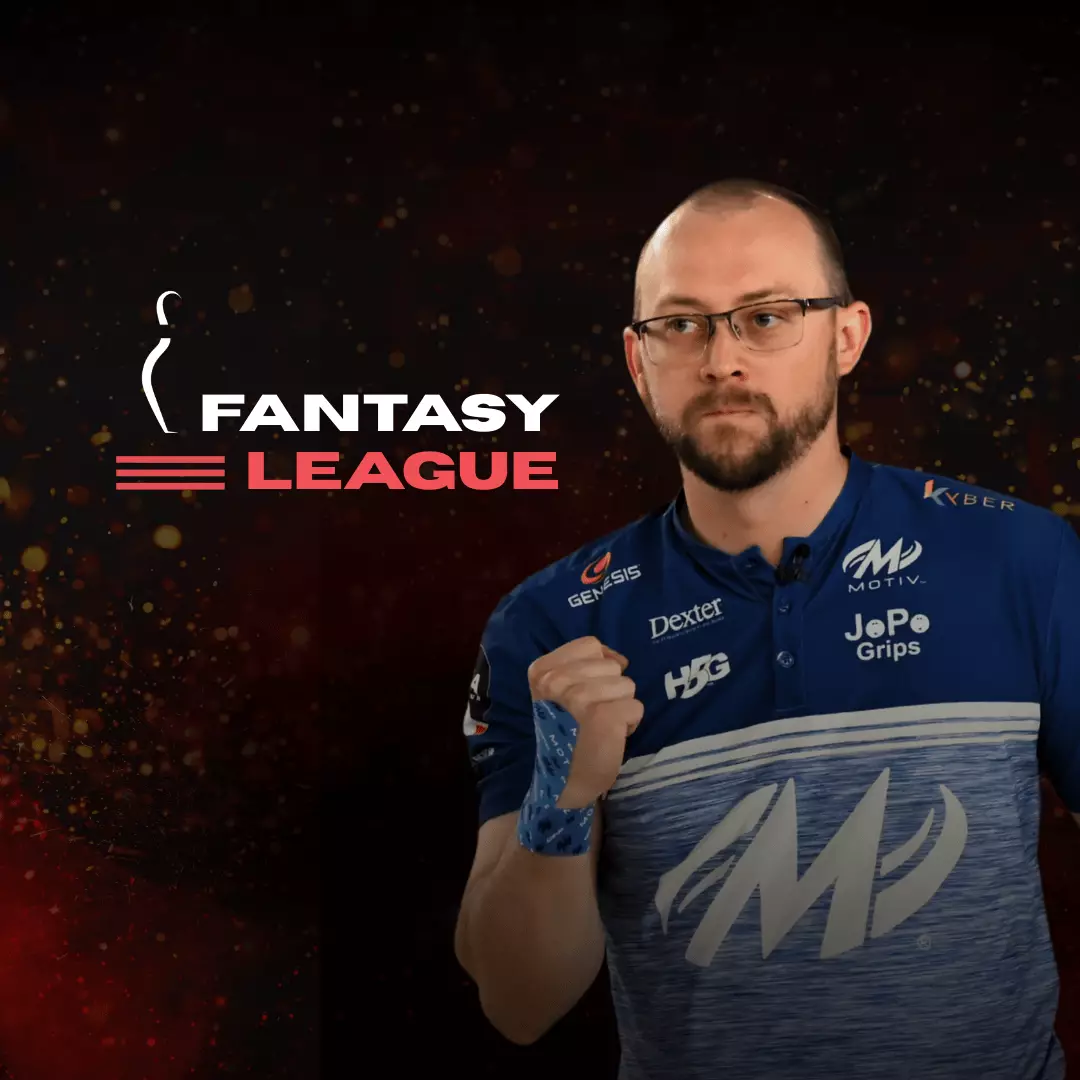
BowlingLife has officially launched the BowlingLife Fantasy League, andplayers can already submit their picks for the PBA Players Championship usingthe BowlingLife Fantasy League form. BowlingLife Fantasy League form BowlingLife Fantasy League is a new way for fans to follow the PBA Tour andplay along throughout the season. a new way for fans to follow the PBA Tour The idea behind the Fantasy League is simple. Instead of just watching events,fans can build their own fantasy teams using real PBA Tour players and scorepoints based on how those players perform on the lanes. BowlingLife Fantasy League is built around the PBA Tour calendar, but not alltour stops are included. For a full breakdown of which events are part of thegame, check the BowlingLife Fantasy rules. rules Before each event, fantasy managers submit a new team made up of sixprofessional bowlers. Five players are selected from ranked tiers based on theTop 50, while the sixth pick is a Wildcard player chosen from outside the Top50. One of the six players is selected as Captain and earns 1.5x fantasypoints for that event. View this post on Instagram A post shared by Bowling News • Reviews • Tips (@bowlinglife.eu) View this post on Instagram A post shared by Bowling News • Reviews • Tips (@bowlinglife.eu) Fantasy points are awarded based on tournament results, meaning every block,cut, and title run matters. Teams are ranked on a global leaderboard thatupdates after each event, with the season also split into multiple rounds togive players more chances to compete and, of course, more prizes to win. The BowlingLife Fantasy League is free to play. There is no app to downloadand no payment required. To join, players simply submit their team through theofficial Fantasy League form before each event. The BowlingLife Fantasy League form for the PBA Players Championship is liveand can be submitted here. here Most BowlingLife Fantasy League managers gather in the BowlingLife Discord community, where deadlines, updates, rankings, and discussions are sharedthroughout the season. While Discord is not required to play, it is the mainplace where fantasy managers stay updated and interact with each other.Members also get exclusive BowlingLife content that cannot be found anywhereelse. Here is your invitation to the BowlingLife Discord. BowlingLife Discord community Here is your invitation to the BowlingLife Discord Team submissions for the BowlingLife Fantasy League will remain open until thestart of Qualification Round 1 at the PBA Players Championship, scheduled for11:00 AM CET on February 16.
Editorial
BowlingLife Fantasy League banner promoting a bowling fantasy game based on the PBA Tour

BowlingLife Fantasy League Is Here – A New Bowling Fantasy Game for PBA Fans

Watching the PBA Tour has always been fun. Watching it while arguing withfriends about who will choke, who will peak, and who you should’ve picked?Even better. Just a few weeks before the new PBA Tour season, BowlingLife's team wasalready deep into predictions, power rankings, and “this is his year” takes.At some point, the question came up naturally - why not turn all of this intoa fantasy game and play along together? No big plans or bold promises - just a simple bowling fantasy built to makewatching bowling more enjoyable.And that is how BowlingLife Fantasy League came to life. Right now, BowlingLife Fantasy League runs on simple tools, forms, standings,and regular updates. It might feel a bit clumsy at times - and that is okay.The goal was never perfection. The goal was to launch it before the season starts and create something fun,something social, and something that makes waiting for the next PBA Tour eventmore exciting. Because now, you are not just watching - you are part of it. Most importantly, this fantasy league is being built together with thecommunity. We are paying attention to how people play, talk, and react. Ifthis turns into something people truly enjoy and want to keep, we can alwaysmake it smoother and more user-friendly in future seasons. How the Bowling Fantasy Game Works BowlingLife Fantasy League is a bowling fantasy game built entirely around thereal PBA Tour season. For every PBA Tour event in the fantasy schedule, you submit a new team madeup of six real professional bowlers. Five players are selected from rankedtiers based on the Top 50, which keeps teams balanced. The sixth player is aWildcard pick, letting you take a chance on someone outside the Top 50. From those six players, you choose one Captain. Your Captain scores 1.5xfantasy points for that event. Your fantasy results depend completely on how your players actually perform onthe lanes. Higher finishes earn more points, and consistency across events iswhat separates the best fantasy teams from the rest. It is easy to start, but it gets competitive quickly. Why Play Bowling Fantasy? Because it changes how you watch bowling. BowlingLife Fantasy League gives youa reason to follow more storylines, track form changes, and stay engaged fromthe first frame to the final title match. It adds tension, debate, andexcitement to every PBA Tour stop. If you already watch bowling, fantasy simply makes it better. How Do I Join the BowlingLife Fantasy League? Getting started is simple. You register your fantasy team using a Googleaccount, which is used to track your team and points. There is no app todownload and no payment required - the BowlingLife Fantasy League is free toplay. Everything follows the PBA Tour calendar. Before each event, you submit yourteam through the official BowlingLife Fantasy form. Miss a submission and youscore zero points for that event, so staying updated matters. That is why theBowlingLife Discord is the best place to keep track of everything. Standings, Rounds, and Prizes In BowlingLife Fantasy League, fantasy managers are ranked on a globalleaderboard based on the total fantasy points they earn across the PBA Tourseason. Alongside the overall standings, the season is divided into three rounds, eachcovering a group of PBA Tour events. These rounds act as mini competitionsinside the season, giving everyone more chances to compete, reset the fight,and stay involved. Standings are updated after every PBA Tour event. Players are not justfighting for bragging rights, but also for prizes. Top performers in both theoverall standings and individual rounds will be rewarded with BowlingLifemerchandise, bowling equipment, or other prizes. Details are announced ahead of time through BowlingLife Discord and officialBowlingLife channels. Bowling Fantasy Community Lives on BowlingLife Discord While the fantasy league runs alongside the PBA Tour, the community lives ontheBowlingLife Discord. BowlingLife Discord That is where most of the action happens. Updated tiers are posted therefirst. Fantasy deadlines, reminders, news, and reactions are shared beforeevery event. It is also where fantasy managers talk picks, argue about captainchoices, celebrate wins, and complain about bad breaks. If you enjoy bowlingconversations, that is where you will feel at home. You do not have to join Discord to play, but if you want the full BowlingLifeFantasy experience, that is where it comes alive.Join BowlingLife Discord and be part of the community! Join BowlingLife Discord and be part of the community! Ready to Play Along? If you already follow the PBA Tour, this fantasy league is built for you. Sametour, same bowlers. Just one more reason to care when the next event starts.Join the BowlingLife Discordto get live updates and stay in the loop when the BowlingLife Fantasy Leaguegoes live. Join the BowlingLife Discord
Editorial
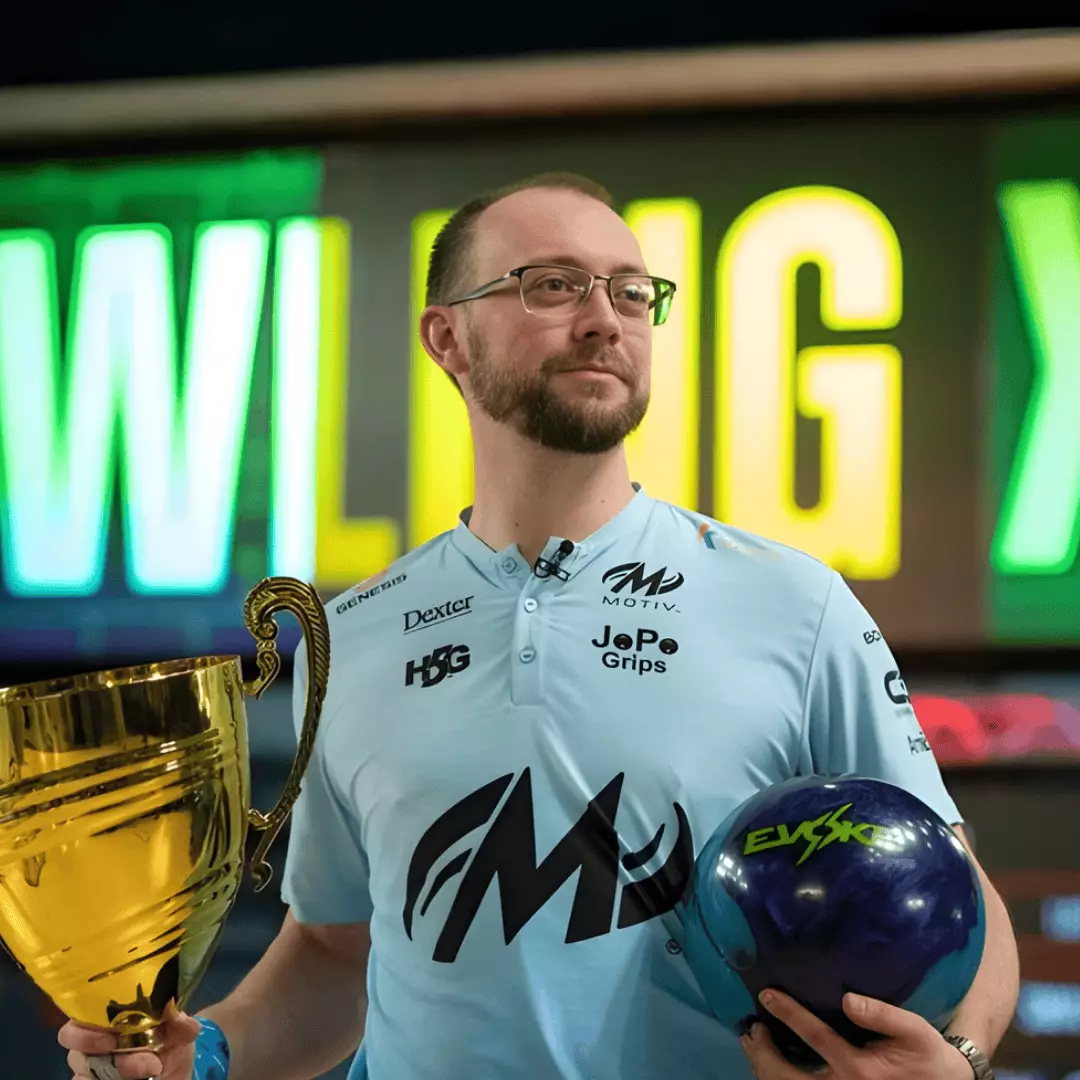
EJ Tackett pictured after winning the PBA Tour Player of the Year award, continuing a long history of PBA greats.

PBA Tour Player of the Year Winners: Complete List from 1963 to 2025

Over the decades, the PBA Tour has seen many of the sport’s biggest names riseto the top. Some players captured the Player of the Year awardonce, while others returned year after year and built long runs of dominance.No matter how often they won it, every Player of the Year left a clear mark onbowling history. With a new PBA Tour season approaching, BowlingLife has put together acomplete list of every PBA Tour Player of the Year winner since the award wasofficially recognized in 1963. The list starts with BillyHardwick, the first honoree and still the youngest ever to win it at age of23, and runs through to EJ Tackett, who has claimed the award for threestraight seasons now. Below is the full list of PBA Tour Player of the Year winners, beginning withthe most recent and going back to the very start. PBA Tour Player of the Year Award Winners List 2025 – EJ Tackett2024 – EJ Tackett2023 – EJ Tackett2022 – Jason Belmonte2021 – Kyle Troup2020 – Jason Belmonte2019 – Jason Belmonte2018 – Andrew Anderson2017 – Jason Belmonte2016 – EJ Tackett2015 – Jason Belmonte2014 – Jason Belmonte2013 – Jason Belmonte2012 – Sean Rash2011 – Mika Koivuniemi2010 – Walter Ray Williams Jr.2009 – Wes Malott2008 – Chris Barnes2007 – Doug Kent2006 – Tommy Jones2005 – Patrick Allen2004 – Mika Koivuniemi2003 – Walter Ray Williams Jr.2002 – Parker Bohn III2001 – Norm Duke2000 – Norm Duke1999 – Parker Bohn III1998 – Walter Ray Williams Jr.1997 – Walter Ray Williams Jr.1996 – Walter Ray Williams Jr.1995 – Mike Aulby1994 – Norm Duke1993 – Walter Ray Williams Jr.1992 – David Ferraro1991 – David Ozio1990 – Amleto Monacelli1989 – Amleto Monacelli1988 – Brian Voss1987 – Marshall Holman1986 – Walter Ray Williams Jr.1985 – Mike Aulby1984 – Mark Roth1983 – Earl Anthony1982 – Earl Anthony1981 – Earl Anthony1980 – Wayne Webb1979 – Mark Roth1978 – Mark Roth1977 – Mark Roth1976 – Earl Anthony1975 – Earl Anthony1974 – Earl Anthony1973 – Don McCune1972 – Don Johnson1971 – Don Johnson1970 – Nelson Burton Jr.1969 – Billy Hardwick1968 – Billy Hardwick1967 – Jim Stefanich1966 – Dave Davis1965 – Wayne Zahn1964 – Dick Weber1963 – Billy Hardwick
Editorial
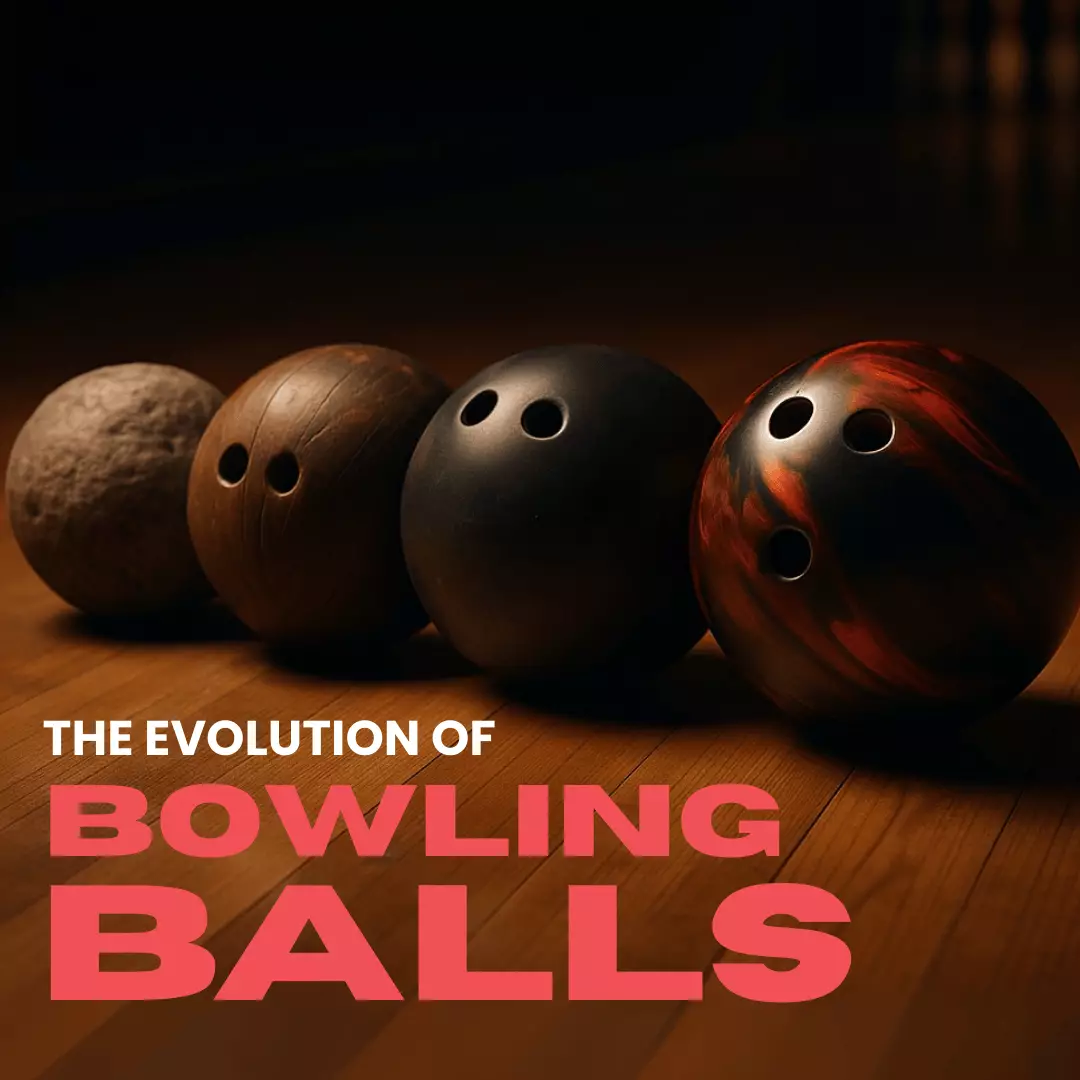
Timeline collage showing the History of bowling balls from ancient stone to modern reactive resin designs

History of Bowling Balls: From Stone to High-Tech Sports Tool

Bowling has come a long way. From rolling stones thousands of years ago towooden balls and today’s high-tech gear with advanced cores and coverstocks,the game has constantly evolved. This time, we’re hopping in thetime machine to explore theHistory of bowling ballsand see how each era shaped the sport we know today. History of bowling balls Stone era: Ancient Egypt (~3200 BC) The earliest bowling balls were carved from stone in Ancient Egypt. Theseheavy spheres had no holes, no cores, or polish - just raw shape and weight. They were used in ritual games and early forms of pin play, proving that theidea of rolling a ball toward targets has been around for thousands of years. Wood era: Before the 1900s By the 1800s, balls were being made from lignum vitae, a dense tropical wood.Many were crafted in two halves, pegged together, and often cracked with use. While they lacked consistency, these wooden balls marked the beginning ofmodern equipment design and represented a huge step forward in the history ofbowling balls. Rubber era: 1905–1960s The introduction of rubber balls changed the sport forever. In 1905, the Evertrue became the first of its kind, followed in 1914 byBrunswick’s Mineralite, which used a secret rubber formula. Rubber balls weresmoother, more durable, and consistent compared to wood. For decades, rubber was the competitive standard, often built with cork cores. Polyester era: 1960s–1980s The 1960s broughtplastic (polyester) bowlingballs. Columbia’s Crown Jewel and other models became popular for their motionand durability. But pros soon complained about the lack of hook. Some bowlerstried chemical soaks to soften covers until safety rules banned such tries. plastic (polyester) Even though stronger hooking balls eventually took over, most bowlers stillkeep a plastic ball in their bag today. Urethane era: 1980s The early 1980s marked another leap forward with urethane. Models like the AMF Angle created more friction and stronger hook potential,especially on shorter or drier lane conditions. Urethane sparked a shift in ball performance expectations and still has aloyal following for its smooth, controllable motion. Reactive resin era: 1990s In the early 1990s, reactive resin covers took over. Balls like the Nu-LineX-Calibur introduced microscopic pores that absorbed oil, creating explosivebackend hook and higher pin carry. This innovation fueled a scoring boom and forever changed how bowlers attackedlane conditions. Reactive resin remains the dominant material in performancebowling today. Modern design: technology meets performance Today’s bowling balls combine engineered coverstocks and advanced cores.Manufacturers fine-tune specs like RG, differential, and surface finish togive bowlers specific options for heavy oil, medium conditions, or dry lanes.Most bowlers now carry 6–12 balls to tournaments, each with a specializedpurpose. Final thoughts From stone to wood, rubber to polyester, urethane to reactive resin, thehistory of bowling balls is the story of constant innovation. Every new material changed the way the game was played and opened newpossibilities for scoring and strategy. Understanding this history makes today’s equipment even more fascinating - andshows just how far the sport has come.
Editorial
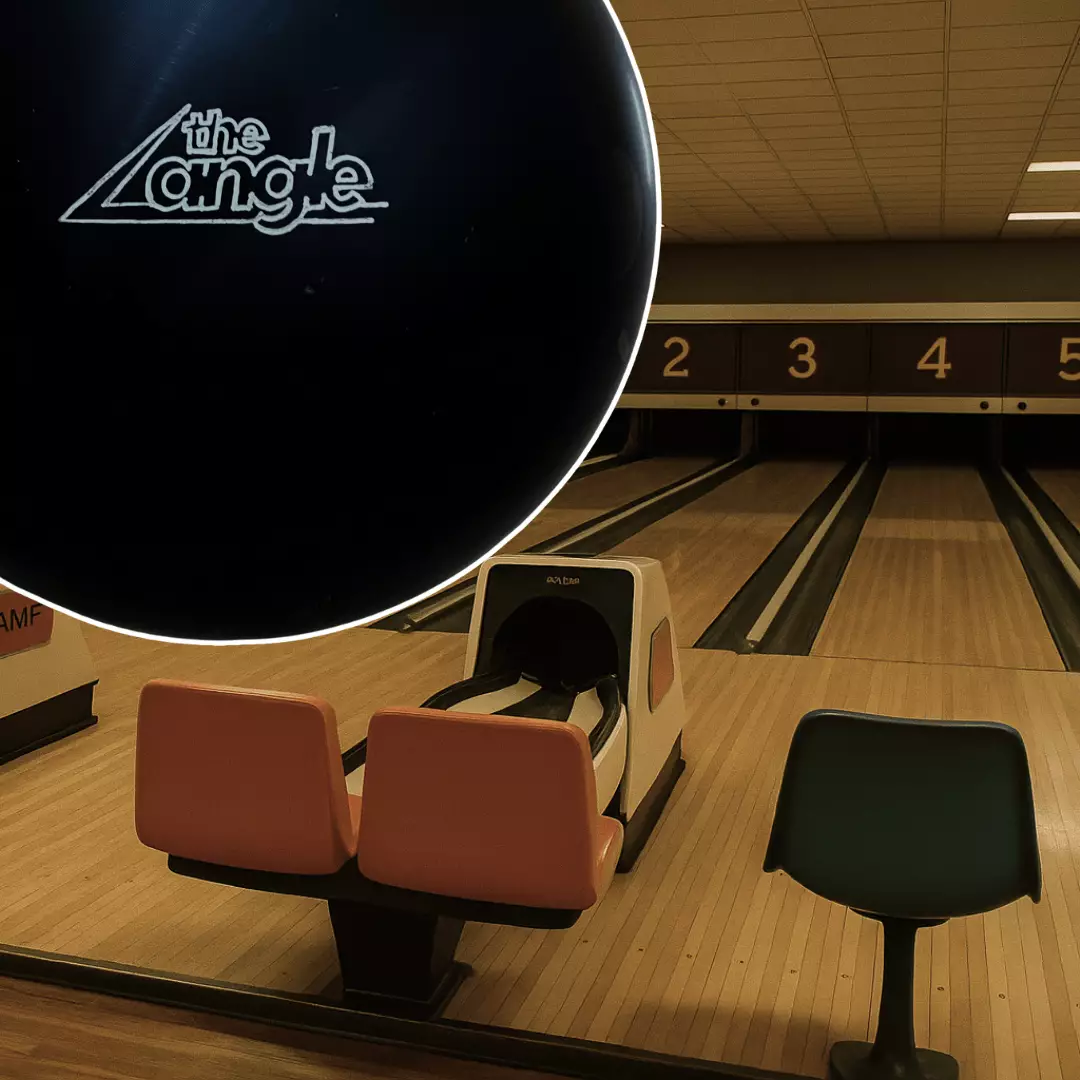
AMF Angle bowling ball in front of a vintage bowling alley with no pins, highlighting the 1981 attempt to ban urethane.

The First Time Bowling Tried to Ban Urethane - And Why It Failed

This article is based on historical information shared by Gary Beck on Facebook, who provided valuable insight into one of the most debated moments in bowling equipment history. This article is based on historical information shared by Gary Beck on Facebook Facebook Facebook , who provided valuable insight into one of the most debated moments in bowling equipment history. This week, the United States Bowling Congress (USBC) released an official statement confirming that it is in advanced talks to ban urethane bowling balls from certified competition. in advanced talks to ban urethane bowling balls in advanced talks to ban urethane bowling balls According to USBC, urethane affects lane pattern integrity, creates possible imbalances in competitive fairness, may limit player development, and presents enforcement challenges due to its softness over time. USBC’s Equipment Specifications Committee is currently reviewing survey feedback and manufacturer input, with a decision expected later in 2025. But this is not the first time the sport faced such a crossroads with urethane bowling balls. Back in 1981, the Professional Bowlers Association (PBA) came very close to banning urethane bowling balls entirely. This wasn’t due to long-term softness or lane integrity concerns, but because of how dramatically the new ball changed performance during competition. By 1974, AMF, a major bowling brand, was struggling with market share. It had shut down its ball factories and outsourced ball production to competitors. Not satisfied with the results, AMF hired Edmond Leary, MIT engineer, to design a new kind of ball that would dominate the lanes. Leary began testing his designs at the 1979 Bowling Proprietors' Association (BPAA) U.S. Open and returned a year later with 36 prototypes, tested by six PBA players. Ten months later, 125 newly built bowling balls were delivered to the 1981 PBA National Championship in Toledo, Ohio. The ball, later named the AMF Angle, was black with a pancake weight block - just like most of the balls on the market. But on the lanes, it was anything but ordinary. It hooked more and hit harder than anything bowlers had used before. Within a month, AMF gave away over 2,000 Angles to players on tour. For free, as a marketing campaign. After that, even bowlers known for throwing straight suddenly were hooking like crazy. The change was hard to ignore. Concerned about how much the ball was impacting scoring, the PBA Tournament Committee had to make a move. In early April 1981, just a yar after AMF Angle was released,all eleven committee members voted unanimously to ban urethane bowling balls. But when the PBA Executive Committee met later that month in Las Vegas, the plan was rejected. The reason was financial. The PBA depended on support from bowling ball manufacturers, and banning urethane would hurt those relationships. So, despite the serious concern, the ban on urethane never became official. The ball stayed on tour. Over time, it changed how equipment was developed and how the game was played. More than 40 years later, the debate continues wether should urethane be banned or not. This article is based on information originally provided by Gary Beck on Facebook. This article is based on information originally provided by Gary Beck on Facebook Gary Beck on Facebook Gary Beck on Facebook .
Editorial
Fans fill Resch Center arena during PWBA Anniversary Open 2025 stepladder finals

Bowling’s Back in the Arena: The Night It Finally Felt Like a Real Sport Again

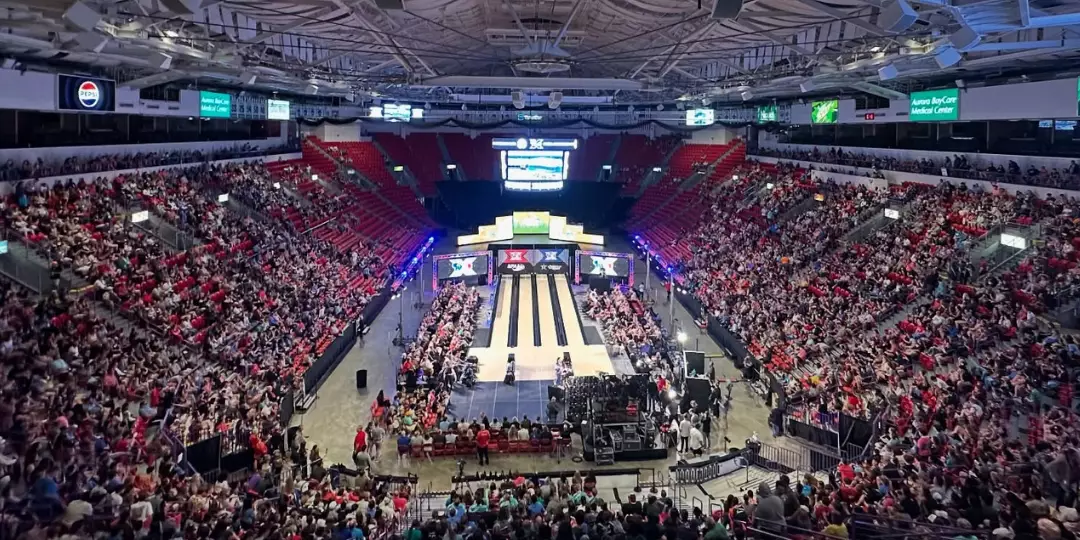
The 2025 PWBA Anniversary Open was a massive occasion for bowling. Everyone was talking about it. With so many photos and videos flooding social media, even those who weren’t at the Resch Center on Sunday night could feel like they were part of it. It was a breath of fresh air - just what bowling needed. 2025 PWBA Anniversary Open 2025 PWBA Anniversary Open After WBA, USBC, and BPAA did the math, 6,559 spectators packed the Resch Center - a venue that holds up to 10,200 fans in its standard configuration for basketball, hockey, or indoor football events. That’s over 64% of the seats filled - not too shabby for an event where sitting on the other side of the pin deck (meaning one sector remains unseated) isn’t an option. Of course, the organizers were intentionally aiming for a big crowd: it was an anniversary event, entry was free, several tournaments were merged into one, and thousands of youth bowlers (plus their families) were already in town. It worked. I do wonder what attendance would’ve looked like if it had been a regular PWBA title event. But this piece isn’t about that. This time, let’s take a look back through history - looking at the most attendance-wise successful events, the ones that failed, and reflect on what bowling in arena can mean for the sport. Bowling’s All-Time Attendance Record 6,559 spectators is a lot for bowling - no doubt about that. But it’s not the record. The current attendance record belongs to the other women's bowling event - 2011 U.S. Women’s Open, where 8,017 fans watched the finals inside AT&T Stadium, home of the NFL’s Dallas Cowboys. Built in 2009, the stadium was a perfect fit for bowling. With seating for 80,000, cutting-edge tech, and that “stadium feel,” it gave bowling something it rarely gets - true center-stage energy. Traditional bowling venues typically only fit a few hundred spectators around the lanes and don’t surround players with big-time atmosphere - AT&T Stadium was completely different. The 2011 U.S. Women's Open was a huge success. It smashed the previous record of 7,212 fans, set at Joe Louis Arena in Detroit in 1995 during the BPAA U.S. Open - the most-attended PBA Tour event to this day. So, if I’ve done my math right, the 2025 PWBA Anniversary Open ranks as the third most-attended bowling event in history. Well, at least in modern bowling. It’s followed by the 2004 USBC Masters at Miller Park, which had 4,303 spectators. The BPAA All-Star Tournaments of the 1950s and 60s may have drawn similar numbers - venues like the National Guard Armory in Minneapolis had capacities over 8,000, but without verified public attendance records, those numbers are just speculation. Not Every Bowling In Arena Attempt Worked Stadium-sized bowling events come with big risks. And sometimes, they don’t pay off. After the success of the 2004 Masters at Miller Park, expectations were high. But due to financial limitations and poor turnout in later years, the Masters quickly returned to smaller venues. But in 2007, the organizers took one last shot - bringing the event back to Miller Park. On paper, the timing looked great. The local footbal team played the day after, meaning no sports competition that Sunday. Two lanes were built, four finalists were ready, and 12,000 seats were opened for fans. Everything was in place. Except the crowd. Only 2,712 people showed up, despite tickets ranging from $10 to $75, to watch 25-year-old future Hall-of-Famer Sean Rash win the title and $50,000 top prize. That disappointment left a lasting mark. Since then, no PBA Tour event has returned to a stadium venue - and with Bowlero not focused on arena-style events, there’s little indication that will change soon. But maybe the success in Green Bay will spark some discussions, hope, and courage to change that. Bowling may be a small sport compared to football, basketball, or hockey - sports that fill stadiums every weekend - but it’s big enough to say that the vast majority of people have tried knocking down pins at least once. Big events like the PWBA Anniversary Open are important - not just for fan excitement, but for the sport’s image, growth, and the players themselves. They show what bowling could look like if we all put in just a little more effort. After all, who really wants to sit in a poorly ventilated, rusty bowling alley under a shopping mall for three hours watching bowling without proper seating for fans? We may be small, but we have big hearts. Big enough to fill stadiums. We just need a little more courage to open the big doors - and let the fans walk in.
Editorial
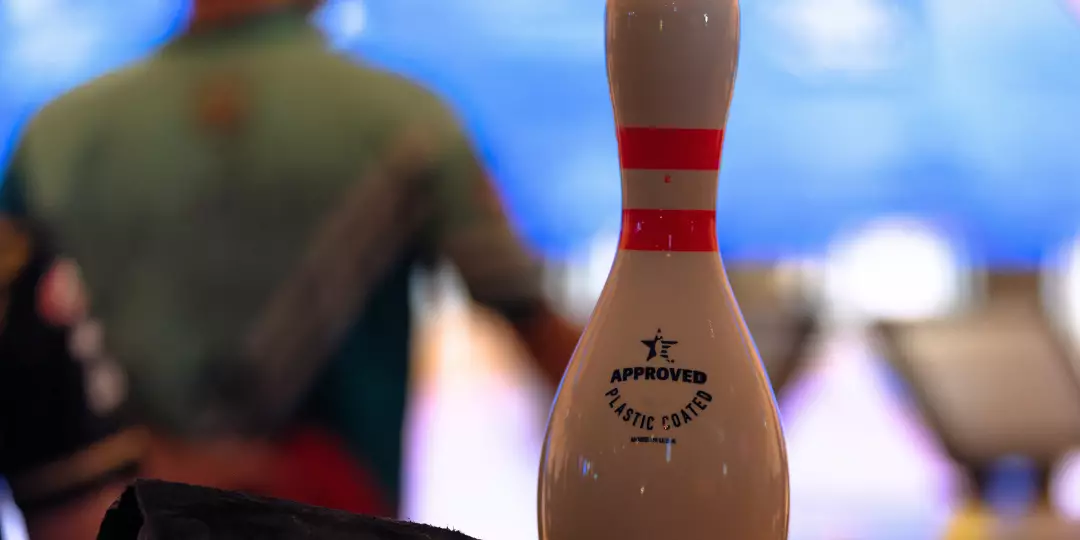
Bowling pin standing on a table in a bowling alley in front of a bowing player who is getting ready for a shot

Is Bowling a Sport? Facts That Settle the Debate

Is bowling a sport or just a fun activity with family or friends? This question keeps coming up on socials and in private talks. Some say it's clearly a sport. Others think it’s more of a hobby or a leisure activity. In this article, we’ll explore both views and share facts that help answer the question: is bowling a sport? Why People Say Bowling Is a Sport Let’s look at the most common reasons people believe bowling is a real sport. Bowling Has Official Recognition One of the strongest arguments that helps answer the question “is bowling a sport” is its official recognition by major sports bodies. The International Olympic Committee has recognized the International Bowling Federation (IBF) since 1979. The IBF governs the sport worldwide and sets rules and rankings. Professional leagues also exist. The most popular one - The PBA Tour - includes athletes from around the world. Players on PBA Tour follow strict rules, train hard, and earn prize money. FOX Sports, CBS, and ESPN have aired major bowling events to large audiences. That supports the idea that bowling is a sport. Bowling Requires Skill and Effort Bowling may seem simple, but it requires strength, accuracy, and control. The ball can weigh up to 16 pounds and some players throw it faster than 20 mph. A spare ball - up to 35 mph! Bowlers who hook the bowling ball generate strong rotation. Studies show the motion puts stress on the wrists and shoulders. Also, releasing the bowling ball puts strong force on the knees and leg muscles. hook the bowling ball hook the bowling ball Even though bowling is not as physical as contact sports, it also puts stress on the heart. A typical bowler’s heart rate during a session can range from the low 100s to the high 170s. This level of physical and mental effort is exactly why so many agree the answer to is bowling a sport is yes. Bowling Has Real Competition To answer the question "is bowling a sport," we must also look at its competitive structure. Unlike many games, bowling includes leagues, tournaments, and both continental and world championships. It has coaches, training camps, and organized event schedules. Players compete for titles and prize money, just like in other recognized sports. The sport includes junior events, championships, and national team events. This level of structure supports the view that bowling is a sport. Millions Compete Worldwide Over 100 million people bowl in more than 80 countries every year. It’s one of the most played indoor sports on Earth. Also, one of the oldest ones. Archaeologists discovered miniature pins and balls in an Egyptian tomb dated to 3200 BC, proving bowling's ancient origins. By the 14th century, bowling grew so popular in England that King Edward III banned it to keep archers practicing. The modern version of bowling took shape in 1895, when the American Bowling Congress formed in the United States. For decades, bowling has been part of the World Games, Pan-American Games, and African Games. Many national teams take it seriously, with trials and selection criteria in place. Being a sport in these kinds of events often unlocks athlete support and funding from national governments. With funding and millions of people involved, it’s only fair to ask again - is bowling a sport or a pastime? Bowling Has Its Own Industry and Lane Challenges Another angle to explore when asking is bowling a sport is the depth of its equipment and playing conditions. Bowlers face different alleys and oil patterns that can change the strategy entirely. Each pattern changes how the ball moves, which adds strategy and skill to every shot. Bowlers must prepare for varying conditions, which is why the industry offers gear tailored for different patterns. There are many different balls for different conditions, performance shoes, bags, jerseys, lane machines. Everything is built for performance, just like in any other serious sport. oil patterns oil patterns different balls different balls performance shoes performance shoes bags bags This proves that bowling is a sport with its own gear, science, and playing environment. Why Some Say Bowling Is Not a Sport Despite strong evidence, some still believe bowling does not qualify as a sport. Here’s why. Low Physical Intensity Some argue sports must involve hard physical activity. Bowling does not require much running, jumping or canging direction fast. You don’t often sweat or get out of breath. This leads critics to say bowling is not a sport, but rather a skilled game. It Feels Like a Game People often associate bowling with birthday parties or casual nights out. Many people first try it for fun, not for competition. That light setting shapes how the public sees it. If bowling alleys featured more sports visuals, trophies, or televised events, the perception might be different. But because of this casual image, people often ask: is bowling a sport or just a game? Bowling Is Not in the Olympics Another point critics raise is bowling’s Olympic status - and this one hits hard, especially in recent years. Bowling was a demo sport in 1988 but never became part of the official Olympic program. In 2023, organizers unexpectedly removed bowling from the 2025 World Games competition program. Then in 2025, officials excluded bowling from the 2027 Pan American Games. unexpectedly removed bowling from the 2025 World Games competition program. unexpectedly removed bowling from the 2025 World Games competition program. excluded bowling from the 2027 Pan American Games. excluded bowling from the 2027 Pan American Games. A lack of action from decision-makers and limited global youth programs may be part of the problem. However, the Olympic Games still leave out many widely played sports, not just bowling. Still, many wonder: if it’s missing from the Olympics, is bowling a sport or just a competitive game? So, Is Bowling a Sport? Bowling has every trait a sport should have. It has rules, training, rankings, and physical demands. It meets the same standards as many accepted sports. Thus, is bowling a sport? All signs point to yes. Still, public views are mixed. Much depends on how someone first experiences the game. But after learning more, most would agree that bowling is a sport. Conclusion So, is bowling a sport? Yes. It fits the key elements: competition, skill, effort, and official structure. While not everyone agrees, the facts support bowling’s place among real sports. Whether you bowl for fun or compete at a high level, you’re still part of a true sport.
Editorial
Bowling ball knocks down all bowling pins for a strike

Bowling Strike Names: What’s a Turkey, Double, or Hambone?

Bowling has its own unique language, especially when it comes to strike streaks. From casual leagues to televised tournaments, you’ll hear all kinds of terms for consecutive strikes. Here’s a straightforward breakdown of the most common bowling strike names and what they mean. 1 Strike – Strike 1 Strike – Strike A single strike is just called… a strike. It’s the goal of every frame. 2 Strikes in a Row – Double 2 Strikes in a Row – Double Two consecutive strikes are referred to as a double. It’s often the setup for a strong scoring run. 3 Strikes in a Row – Turkey 3 Strikes in a Row – Turkey Three strikes in a row is called a turkey. The term dates back to the early 20th century when bowlers would win a turkey as a prize during Thanksgiving tournaments. Some people might also call this a triple, but “turkey” is far more common. 4 Strikes in a Row – Hambone 4 Strikes in a Row – Hambone Four consecutive strikes are known as a hambone, a term made popular by sports commentator Rob Stone. While not everyone uses this term, it has caught on in many circles. Others simply refer to it as a four-bagger. 5 Strikes in a Row – Five-Bagger or Yahtzee 5 Strikes in a Row – Five-Bagger or Yahtzee At five in a row, bowlers often switch to using the “bagger” format. Five-bagger is most common, but some bowlers jokingly call it a Yahtzee, referencing the game’s five-of-a-kind win condition. 6 Strikes in a Row – Six Pack 6 Strikes in a Row – Six Pack Six consecutive strikes is often called a six pack, and sometimes a six-bagger. Both are common, with “six pack” being more conversational. 7 Strikes in a Row – Seven-Bagger 7 Strikes in a Row – Seven-Bagger At this point, most terms follow the bagger format. A seven-bagger means seven strikes in a row. 8 Strikes in a Row – Eight-Bagger 8 Strikes in a Row – Eight-Bagger Eight consecutive strikes is referred to as an eight-bagger. 9 Strikes in a Row – Nine-Bagger or Golden Turkey 9 Strikes in a Row – Nine-Bagger or Golden Turkey Nine in a row is typically called a nine-bagger, though some bowlers refer to it as a golden turkey to mark the extended string. 10 Strikes in a Row – Ten-Bagger or Dime Bag 10 Strikes in a Row – Ten-Bagger or Dime Bag A ten-bagger is the standard term. Some may also call it a dime bag, though that’s less commonly used and more informal. 11 Strikes in a Row – Eleven in a Row 11 Strikes in a Row – Eleven in a Row At this point, names are usually dropped in favor of raw count. Most will just say eleven in a row. 12 Strikes in a Row – Perfect Game or Thanksgiving Turkey 12 Strikes in a Row – Perfect Game or Thanksgiving Turkey Twelve strikes in a row equals a perfect game, also known in some circles as a Thanksgiving turkey. It’s the ultimate goal for many bowlers. Other Common Phrases Other Common Phrases Front X: Describes consecutive strikes starting from the first frame. Example: Front nine means strikes in frames 1 through 9. Back X: Describes strikes in later frames, such as Back six for strikes in frames 7 through 12. Off the Sheet: Refers to finishing a game with strikes from a certain point onward—usually a clean ending from the 7th frame or later. Front X: Describes consecutive strikes starting from the first frame. Example: Front nine means strikes in frames 1 through 9. Front X Front nine Back X: Describes strikes in later frames, such as Back six for strikes in frames 7 through 12. Back X Back six Off the Sheet: Refers to finishing a game with strikes from a certain point onward—usually a clean ending from the 7th frame or later. Off the Sheet Summary Table of Bowling Strike Names Summary Table of Bowling Strike Names Strikes in a RowCommon Name(s)1Strike2Double3Turkey4Hambone, Four-Bagger5Five-Bagger, Yahtzee6Six Pack, Six-Bagger7Seven-Bagger8Eight-Bagger9Nine-Bagger, Golden Turkey10Ten-Bagger, Dime Bag12Perfect Game, Thanksgiving Turkey Strikes in a RowCommon Name(s) Strikes in a RowCommon Name(s) Strikes in a Row Common Name(s) 1Strike2Double3Turkey4Hambone, Four-Bagger5Five-Bagger, Yahtzee6Six Pack, Six-Bagger7Seven-Bagger8Eight-Bagger9Nine-Bagger, Golden Turkey10Ten-Bagger, Dime Bag12Perfect Game, Thanksgiving Turkey 1Strike 1 1 Strike 2Double 2 2 Double 3Turkey 3 3 Turkey 4Hambone, Four-Bagger 4 4 Hambone, Four-Bagger 5Five-Bagger, Yahtzee 5 5 Five-Bagger, Yahtzee 6Six Pack, Six-Bagger 6 6 Six Pack, Six-Bagger 7Seven-Bagger 7 7 Seven-Bagger 8Eight-Bagger 8 8 Eight-Bagger 9Nine-Bagger, Golden Turkey 9 9 Nine-Bagger, Golden Turkey 10Ten-Bagger, Dime Bag 10 10 Ten-Bagger, Dime Bag 12Perfect Game, Thanksgiving Turkey 12 12 Perfect Game, Thanksgiving Turkey
Editorial
A red bowling ball impacts a full rack of tenpins, striking the pocket between the 1 and 3 pins on a polished lane.

The New Physics Model Could Change How Pros Bowl Strikes Forever

For decades, if not centuries, bowling players have honed their craft through repetition, intuition, and deep familiarity with lane conditions. But a new study suggests that physics might now offer a more precise roadmap to the perfect strike. A team of researchers from Princeton, MIT, Loughborough University, the University of New Mexico, and Swarthmore College has developed a highly sophisticated physics-based model that simulates the motion of a bowling ball with unprecedented accuracy. Published in AIP Advances on April 15, 2025, their work could dramatically change how bowlers and coaches approach lane play. AIP Advances AIP Advances AIP Advances on April 15, 2025 on April 15, 2025 Bowling's Most Complex Question At the heart of the study lies a challenge that has long eluded players and scientists alike: how to predict a bowling ball's full trajectory down a lane, factoring in variables like oil patterns, ball asymmetry, and human error. While previous approaches relied on statistical analysis of past shots, this new model draws from first principles of physics. Using a system of six differential equations based on Euler's equations for rotating rigid bodies, the model accounts for ball speed, angular velocity, axis rotation, tilt, and even frictional changes caused by the lane's oil distribution. The result is a simulation that outputs not just any strike trajectory, but the one with the most forgiveness for real-world imperfections. Miss Room: The Real-World Advantage A key innovation in the model is what the authors call "miss room." Since no bowler hits their target exactly every time, the simulation incorporates a Gaussian spread of launch angles to represent realistic human variability. This allows the system to recommend strategies that maximize strike probability even when shots are slightly off. In other words, the best line isn’t just the one that hits the pocket—it's the one that still works when you miss by a few degrees. That insight alone could change how bowlers select targets, lines, and even bowling balls. Oil Patterns and Strategic Targeting The researchers tested the model on various oil patterns, including short and flat conditions. While flat patterns offered fewer safe starting zones, short patterns revealed more forgiving regions where friction differentials between the lane center and edge could help correct off-target shots. "If a bowler misses slightly to the right, the higher friction near the gutter pulls the ball back left. If they miss left, the lower-friction center gives them time to recover," explained lead author Curtis Hooper. The simulation suggests these friction boundaries can act as strategic buffers—an insight top players have long sensed, but never fully quantified. Not Just for Players The implications of the bowling strike physics model extend well beyond individual bowlers. Coaches can use it to tailor training plans. Ball manufacturers could design equipment that exploits the model's findings. Tournament organizers might shape oil patterns to reward precision or encourage higher scoring. Importantly, the model was designed with accessibility in mind. It uses inputs that bowlers can actually measure with common tools—launch angle, ball speed, rev rate—making it a realistic option for real-world application. What Comes Next The team plans to improve the model by accounting for lane wear and topography, and to collaborate with industry stakeholders to refine its usability. Hooper, who also coaches Team England's youth squad, envisions a future where players train with a clear understanding of how their ball choices and shot shapes interact with lane conditions. "Our goal is to bridge theory and practice," he said. "We want to give bowlers the tools to make smarter decisions based on data, not just feel." Sources: Sources: Ji, S. S. M., Yang, S., Dominguez, W., Hooper, C. G., & Bester, C. S. (2025). Using physics simulations to find targeting strategies in competitive tenpin bowling. AIP Advances. https://doi.org/10.1063/5.0247761 Independent, Ars Technica, ScienceDaily, ScienceBlog, Bioengineer.org (April 15–16, 2025) Ji, S. S. M., Yang, S., Dominguez, W., Hooper, C. G., & Bester, C. S. (2025). Using physics simulations to find targeting strategies in competitive tenpin bowling. AIP Advances. https://doi.org/10.1063/5.0247761 AIP Advances https://doi.org/10.1063/5.0247761 https://doi.org/10.1063/5.0247761 Independent, Ars Technica, ScienceDaily, ScienceBlog, Bioengineer.org (April 15–16, 2025)
Editorial

Don Carter: From Janitor to Biggest Endorsement Deal in Sports History

One does not simply name someone "Mr. Bowling" for nothing. But if anyone truly embodied that title, it was Don Carter – a legendary figure who helped shape the golden age of professional bowling. But transforming a sport requires more than just talent on the lanes. Carter’s exceptional skill elevated bowling from a simple pastime to a widely broadcast spectacle, drawing the attention of millions. Carter was more than just an extraordinary bowler; his charismatic personality was a driving force in shaping the future of the sport. His rise from working as a janitor at a local bowling alley to securing the largest endorsement deal in American sports at the time offered the bowling community something they had long been missing – an inspiring and relatable story. Born in St. Louis, Missouri, on July 29, 1926, Donald James Carter wasn’t introduced to bowling until the age of 13, when his mother encouraged him to try the sport. However, unlike many other bowlers, it wasn’t his first love. While Carter did pick up the fundamentals of bowling as a pinsetter at his local alley and joined a local club in 1942, he was more passionate about baseball. He played at the high school level and later joined the amateur American Legion baseball team, where he crossed paths with notable catchers like Yogi Berra and Joe Garagiola. However, both his baseball and bowling careers didn’t take off as expected. Shortly after turning 18, Carter enlisted in the U.S. Navy in 1944 to serve during World War II, where he spent two years as a radarman. Upon his discharge in June 1946, Carter signed with the Philadelphia Athletics to play on one of their minor league teams. But after just one year, he realized he wasn’t destined for the major leagues. He returned to St. Louis, moved back in with his mother, and reignited his passion for bowling. Back in St. Louis, Carter worked at Golden Eagle Lanes as an alley man, bartender, and janitor, giving him ample time to hone his bowling skills. Before long, he worked his way up to General Manager. However, the demands of the position left him little time for competitive bowling. Eventually, he found a job as an instructor, where he could make a living while continuing to improve his craft. During that time, Carter developed and mastered a bowling style that worked best for him. With a bent elbow and stooped shoulders, he would release the ball with a deep knee bend without extending his arm. For the next two decades, this unique style would become a familiar sight on television screens across America. Carter’s reputation as an elite bowler began to spread, and in 1951, he joined the Pfeiffer Beer team in Detroit, marking a major turning point in his career. In his first year, Bowlers Journal named him to its prestigious All-America team. Two years later, he won the All-Star Championship and claimed his first of six Bowler of the Year titles. After his first Bowler of the Year win in 1953, Carter joined the St. Louis Budweiser. For four straight years, the team took home the National title and set a record with a five-player team series of 3,858 points— a score that would stand for nearly four decades. Alongside his team achievements, Carter also excelled individually. He became the first bowler to win every major title of his time, including the World Invitational, the BPAA All-Star (later known as the U.S. Open), the PBA National, and the ABC Masters Championship. Over his career, he bowled 23 perfect games and became the first to bowl an 800 series on TV, recording 809 at the 1956 National Bowling Championships. Carter also earned a good reputation for his work ethic. He was known to spend countless hours refining his skills and maintaining an unwavering focus during matches, often remaining silent and never engaging with opponents. To him, mental preparation and quick adaptation were essential for success. "To become a great bowler takes temperament and dedication," he once said. "Bowling is a very difficult game mentally. In golf you see all the hazards. In bowling you don't see the slick boards. Every lane is different. You have to adjust for your mistakes. The best bowlers are the ones who are able to adjust." It was Carter’s influence that helped make televised bowling events a regular occurrence, sparking interest and drawing spectators to the sport. In 1964, Carter signed a groundbreaking $1 million endorsement deal with Ebonite Bowling, making it the largest endorsement contract of its time in any sports. In 1970, Carter was inducted into the American Bowling Congress Hall of Fame and was named the greatest bowler in history in a poll conducted by Bowling Magazine. Two years later, he retired from professional bowling due to knee problems. Even after stepping away from competitive bowling, Carter stayed active in the sport by participating in occasional pro-am tournaments and running a chain of bowling alleys and a line of bowling apparel. Bowling Magazine Carter passed away on January 5, 2012, at the age of 85 in Miami, Florida. His legacy, however, as the first true superstar of the sport, lives on.
Editorial

Karolis Murauskas: "Is Bowling Dying?"

The following text reflects Karolis Murauskas' personal opinion on certain bowling-related topics and does not necessarily represent the views of BowlingLife. Our primary goal is to report bowling news as impartially as possible, avoiding emotional bias or personal opinions. This post, along with similar future pieces, is intended for entertainment purposes, aiming to highlight and sarcastically critique current issues while encouraging discussion. The following text reflects Karolis Murauskas' personal opinion on certain bowling-related topics and does not necessarily represent the views of BowlingLife. Our primary goal is to report bowling news as impartially as possible, avoiding emotional bias or personal opinions. This post, along with similar future pieces, is intended for entertainment purposes, aiming to highlight and sarcastically critique current issues while encouraging discussion. With BowlingLife growing, we’re lucky enough to visit various corners of Europe – different countries, cities, and cultures. And naturally, we get to see new bowling centers and meet even more bowlers! It's a tough job, but someone’s gotta do it. But here’s the thing that keeps bugging me. Everywhere we go, we keep hearing the same old song – bowling is struggling, bowling is dying, bowling is on a downhill slide... BOWLING HAS NO FUTURE. Really? Is it true? Are we really at the point where we can’t do anything to save it? Should we just accept that bowling will never be the next tennis, golf, or even darts? No Olympic dreams for us?? What do you think? Is bowling doomed, and should we just throw in the towel, or should we ignore the haters, keep fighting, and work together to bring bowling to the promised land? If you’ve made it this far, you're probably dying to hear my opinion. Well, here it is: Bowling will never die!!! It’s too big to disappear. It’s on us – the media, the tournament organizers, the players, and the big wigs – to show the world that bowling is a sport. A real sport. Worth playing and watching. I believe we’ll get there... we just need to keep punching that wall. Or keep throwing strikes. Well, you get it.
Editorial