We talk about the physical part of the athletes, but we rarely talk about the physical toll on the coach.
I watched my mentor, a pillar of calmness, standing there behind his players. To the kids, he looked like a rock. But then I saw it: the glow of his smartwatch, buzzing with “High Heart Rate” alerts.
He wasn’t running. He wasn’t throwing a 15-pound ball. He was simply caring.

His heart was racing, maybe at 180 beats per minute, from the pure intensity of wanting those kids to succeed. It was one of the most valuable lessons he ever gave me, among so many others.
It taught me that coaching isn’t just about technical knowledge or “targeting boards.” It’s about a total, physical investment of your own life force into the success of another person.
The Unseen Strike: A Manifesto for the Coaches Behind the Curtains
We just wrapped up the European Youth Championships, and if you were there, or even watching the scores from home, you felt it. The electricity. The 10th-frame heart-stoppers. The pure, unadulterated joy of a teenager realizing they’ve just conquered a continent.
We celebrate the athletes, and we should. They are the ones throwing the shots. But as I sat there as a supporter, watching coaches lead a new generation, sometimes for the first time, I realized something:
The brightest lights on the lanes often cast the longest shadows over the people standing behind them.
This is for the coaches. The unseen heroes of the hardwood.
The 24/7 Clock
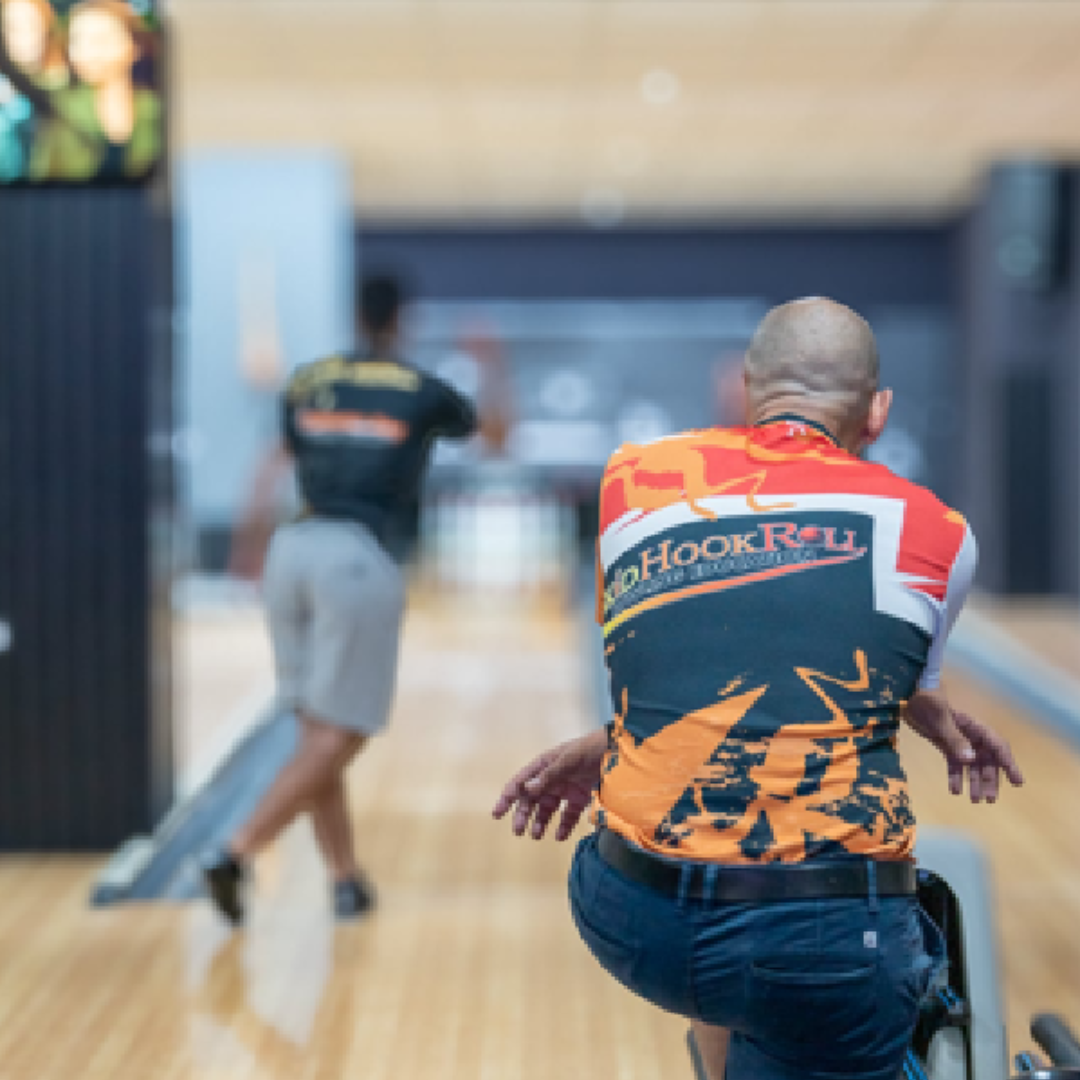
To the world, a coach’s job starts at “Practice Session” and ends at
“Final Frame.”
But we know better. Being a youth coach isn’t a job,
it’s a lifestyle of total emotional surrender.
It’s the 2:00 AM
wake-up calls because an athlete is homesick or anxious. It’s being a
psychologist, a nutritionist, a pro shop operator, and a surrogate parent all
at once.
It’s the agony of standing on your feet for ten hours
straight on concrete floors, your back aching, your voice raspy, yet never
letting your face show anything but “I believe in you.”
The Weight of the Quiet Support
National coaches carry a unique weight. They are away from their own families, their own beds, and their own peace of mind to make sure someone else’s child feels safe enough to perform. They absorb the pressure so the athlete doesn’t have to.
When a kid misses a spare and loses a medal, the coach feels that heartbreak twice: once for the game, and once for the soul of the athlete they care about.
More Articles From Coach Vardakis
To the Coaches Back Home
And then there are the personal coaches. The ones who weren’t on the plane.
There is a specific kind of double agony in being a personal coach. You spent months, maybe years, tweaking that release and perfecting that footwork. Now you’re watching a flickering livestream or a live scoring website from thousands of miles away.
You’re pacing your living room, heart racing, feeling every split and every gutter as if you were on the approach yourself. You are the foundation they built their game on, and even from afar, your spirit is right there on the approach with them.

Why Do We Do It?
Nobody gets into bowling coaching for fame. There are no multi-million-dollar contracts or paparazzi.
We do it for the moment a young athlete looks back after a clutch shot, not for a technical tip, but for a nod of approval.
To the mentors, the grinders, the sleepless, and the tireless: we see you. We see the notebooks full of oil pattern notes. We see the red eyes from lack of sleep. We see the way you put your own lives on hold to help a kid chase a dream.
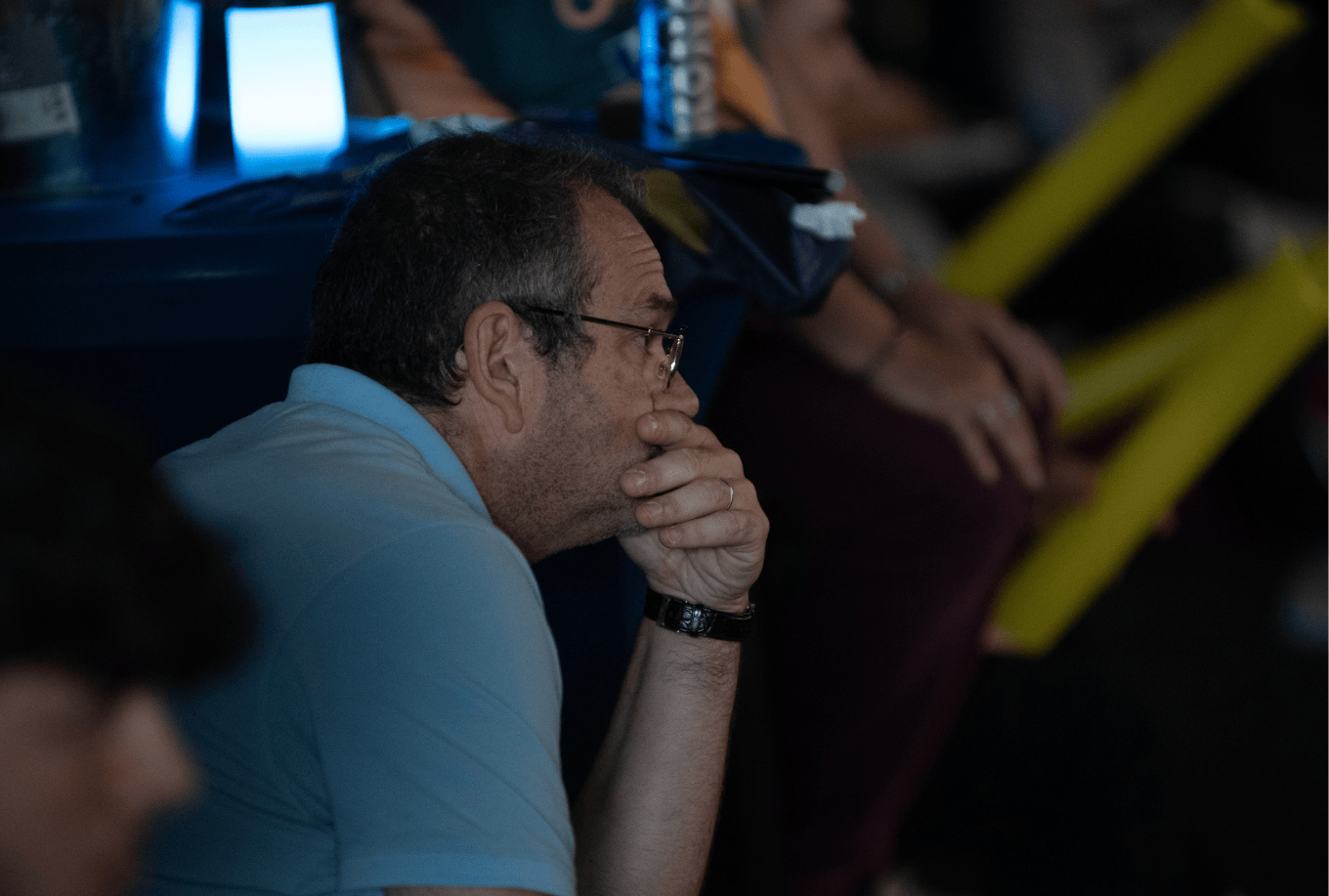
We are the architects of the sport. We are part of the reason the pins fall.
Next time you see a coach at the center, don’t just ask them about the scores. Ask them how they are doing. Because without them, the lanes would be a lot quieter, and the journey a lot lonelier.
Respect the craft. Love the coach.
Written by: Panagiotis Vardakis, EBF Level 3, USBC Bronze, and National Coaching School Cat C coach


About the Author Panagiotis Vardakis
Panagiotis Vardakis is an experienced bowling coach and educator whose
involvement in the sport spans more than two decades. His work combines technical coaching, long-term player development, and
equipment knowledge, supported by his experience as a professional coach and
pro shop specialist.
Throughout his coaching career, he has guided athletes to national and
international success across European competitions, coaching players from
Greece, the United Kingdom, Malta, Slovakia, Cyprus, and Bulgaria.
A significant part of his work is dedicated to youth development, where he focuses on structured training environments that support both athletic progress and personal growth.
Vardakis is currently involved in youth-oriented projects through BYC in Slovakia and continues to work with athletes, clubs, and organizations through coaching programs, clinics, and educational initiatives across Europe.
For coaching-related questions or inquiries, Coach Vardakis can be contacted via email at p.vardakis@gmail.com or visit www.byc.sk