The shot feels good, the ball finds the pocket, and you are already expecting
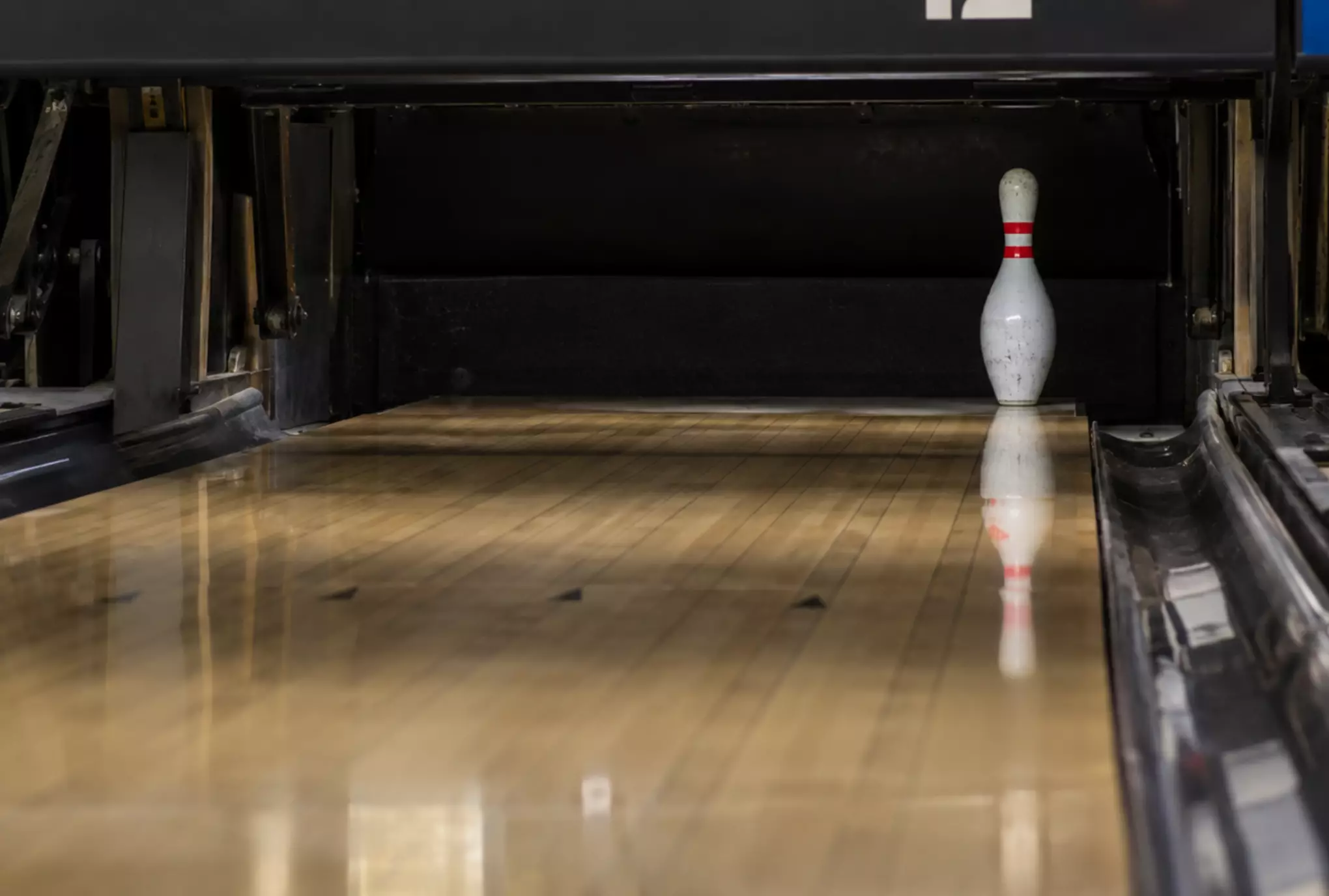
a strike when the 10 pin refuses to fall.
Once is frustrating
enough. After two or three similar shots, you start questioning your ball
choice, your line and perhaps everything you thought you knew about bowling.
That frustration can quickly become expensive. A different ball, a bigger move
and a little extra effort at release might turn a manageable corner pin into
something much harder to spare.
Before making those changes, it
helps to understand what the 10 pin is telling you. Often, the adjustment
needed is much smaller than the reaction it gets from the bowler.
Flat 10 vs Ringing 10: What Is the Difference?
I’m a right-hander, so this article is written from that perspective. If you’re a lefty, the equivalent corner-pin problem is the 7 pin. Watch the 4 pin instead of the 6 for clues about why it stayed standing.
For a right-handed bowler hitting the 1–3 pocket, the 3 pin should send the 6 pin into the 10. When that sequence does not work, the corner can remain standing even though the shot looked convincing from the approach.
Watching where the 6 pin goes gives you a better starting point than judging the shot by how loudly the pins crashed.
With a flat 10, the 6 pin falls into the gutter in front of
the 10 without taking it out.
A
ringing 10 looks more energetic: the 6 pin flies around
the 10 and misses it.
USBC’s explanation connects these different
reactions to entry angle and how the 3 pin contacts the 6. A flatter entry can
produce the weak-looking leave, while a steeper entry can send the 6 upward
and around the corner.
USBC explains the pin action here.
These are useful clues, but identifying a flat or ringing 10 does not automatically tell you which adjustment to make. You also need to consider how the ball travelled down the lane and whether the shot matched your intention.
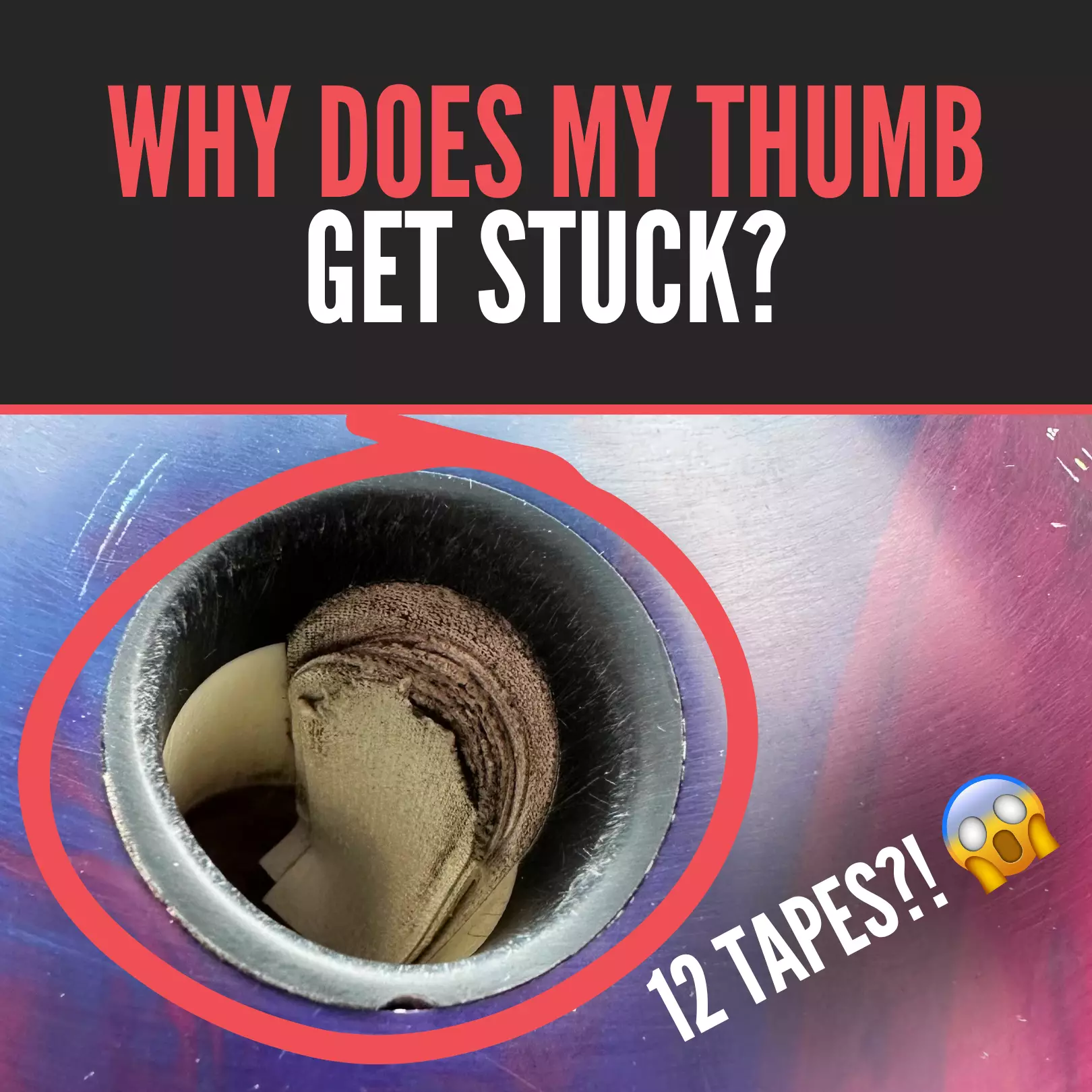
If your misses tend to go inside with extra loft, check your release too. A thumb that sticks in the ball produces exactly that pattern.

Before Changing Your Shot, Learn to Watch It
By the time you start staring at the 10 pin, you may already have missed the
part of the shot that explains why it stayed up.
For this article,
I spoke with Panagiotis Vardakis, an EBF Level 3, USBC Bronze and National
Coaching School Category C coach. He explained, that many bowlers start
looking for an adjustment before they even understand what went wrong.
“The biggest mistake, in my opinion is starting from misreading the ball motion. Almost no one is training their eyes to see the ball in the pocket and at the pin deck, so they just assume that the 10 pin is standing because of bad execution.”
Watching the ball reach your target is only part of the job. How it enters the pocket, where the 6 pin goes and how the ball continues through the deck all help explain the result.
Without watching those details, it is easy to blame your release or your equipment before you know what actually happened.
Vardakis says the adjustment can be surprisingly small, describing it in terms of target changes and the strength of the ball’s reaction:
“Most of the times is a tiny adjustment in target ( +/- 1 board) or ball energy (too strong=ring 10, too weak=flat 10)”
His advice comes back to understanding the reaction and making a controlled change. Frustration can tempt a bowler to reach for another ball and find a completely different line, even when the previous shot was close to producing the desired result.
“The biggest mistake is to jump and start changing ball and line at the same time.”
Change one thing and watch the next shot carefully. You give yourself a chance to see whether the adjustment helped. Change several things together, and even a strike may leave you unsure what to repeat.
Articles From Coach Vardakis

First 10-Pin Adjustment Is Usually One Board
Reading James Freeman and Ron Hatfield’s
Bowling Beyond the Basics influenced how I approach these leaves.
My takeaway was that a pocket hit can be slightly light even when
the resulting pin action looks impressive. That encouraged me to start with a
small adjustment instead of assuming that a ringing 10 and a flat 10 always
demand completely different solutions.
In my own bowling, moving one board in the direction of the miss often takes care of repeated 10 pins. USBC describes these mirrored adjustments in its guide to making changes during a game.
It is a small enough change to test without abandoning a line that is already getting me to the pocket. The important part is checking what happens next. If the move improves the hit, you have learned something. If it makes the reaction worse, reconsider the diagnosis before adding another adjustment.
Moving one board does not make it a universal fix; its value comes from how often it has helped me turn a nearly successful shot into a strike.
When Speed or a Different Ball Can Help
A sideways move will not solve every repeated 10-pin leave. Sometimes the ball’s motion needs attention before it reaches the pocket, particularly when it reacts too early and no longer produces the shape you want through the pins.
In that situation, I sometimes choose a ball with less surface—meaning a smoother finish—to help it get through the front of the lane more easily. The aim is to delay its reaction and improve how it enters the pocket. This fits the distinction manufacturers make between rougher finishes that create earlier traction and polished finishes that can produce more length. MOTIV explains how surface affects ball motion.
However, a weak-looking hit alone is not enough reason to reach for something smoother. A ball reacting too early and a ball skidding too far need different responses. If early friction is the problem, our guide to bowling on dry lanes explores that situation further.
Speed is another adjustment I use. Starting a little closer to the foul line helps me reduce my speed, although the change needs to work with my footwork and swing timing. USBC also stresses that those elements need to stay coordinated when adjusting ball speed. Slowing down should have a specific purpose; it should not become an automatic response to a ball that is already reacting too early.
Coach Vardakis takes a similarly measured approach.
"My first suggestion is either half shoe back at the approach if the ball is too strong or soften a bit the release, keeping everything else same, to get a bit more reaction from the ball."
Sometimes a 10 Pin Is a Result Worth Keeping
On difficult sport patterns, leaving only a 10 pin can feel like paradise. There are conditions where finding a reliable way to hit the pocket is already an achievement, and chasing perfect carry can introduce buckets, washouts or splits. In those situations, I would rather have a manageable spare than lose the control I worked to find.
That does not mean you stop trying to improve your reaction. It means weighing
the possible benefit of an adjustment against what you might give up.
If good shots repeatedly leave a corner, a small change is worth
considering. But the scoring demands of the pattern should influence how
aggressively you pursue it.
This is also why practising the 10-pin spare matters so much. Confidence in making it changes the way you respond when it stands. You can assess the previous shot calmly, fill the frame and make your next decision without feeling that every corner pin is a crisis.
There will always be pocket shots that leave the 10. Learn to recognise the
repeatable pattern, make a purposeful adjustment and give yourself time to see
whether it works.
And on the days when nine pins and a spare are
keeping you competitive, make sure your spare game is ready to do its share of
the work.
Frequently Asked Questions About Leaving the 10 Pin
Why do I keep leaving the 10 pin even when I hit the pocket?
A pocket hit does not guarantee a strike. Small differences in entry angle, impact position and ball motion can change how the 3 pin sends the 6 pin towards the 10, leaving the corner standing.
Should I change bowling balls after leaving a 10 pin?
A single 10-pin leave is not enough to diagnose an equipment problem. If the leave repeats, watch the ball motion and test a small adjustment. Consider a different ball when its reaction gives you a clear reason to change equipment.
Does the same 10-pin advice apply to left-handed bowlers?
The mirrored corner-pin problem for left-handed bowlers is normally the 7 pin. Watch the 4 pin instead of the 6, and assess any adjustment using the opposite side of the lane.
Your Weekly Bowling Digest
The latest bowling news, tips, and gear reviews—all wrapped up in a quick 3-minute read delivered straight to your inbox.