The Malaysian Tenpin Bowling Congress (MTBC) announced a major equipment rule change yesterday, confirming that slow oil-absorbing high-performance urethane bowling balls are now disallowed in all MTBC-sanctioned tournaments.
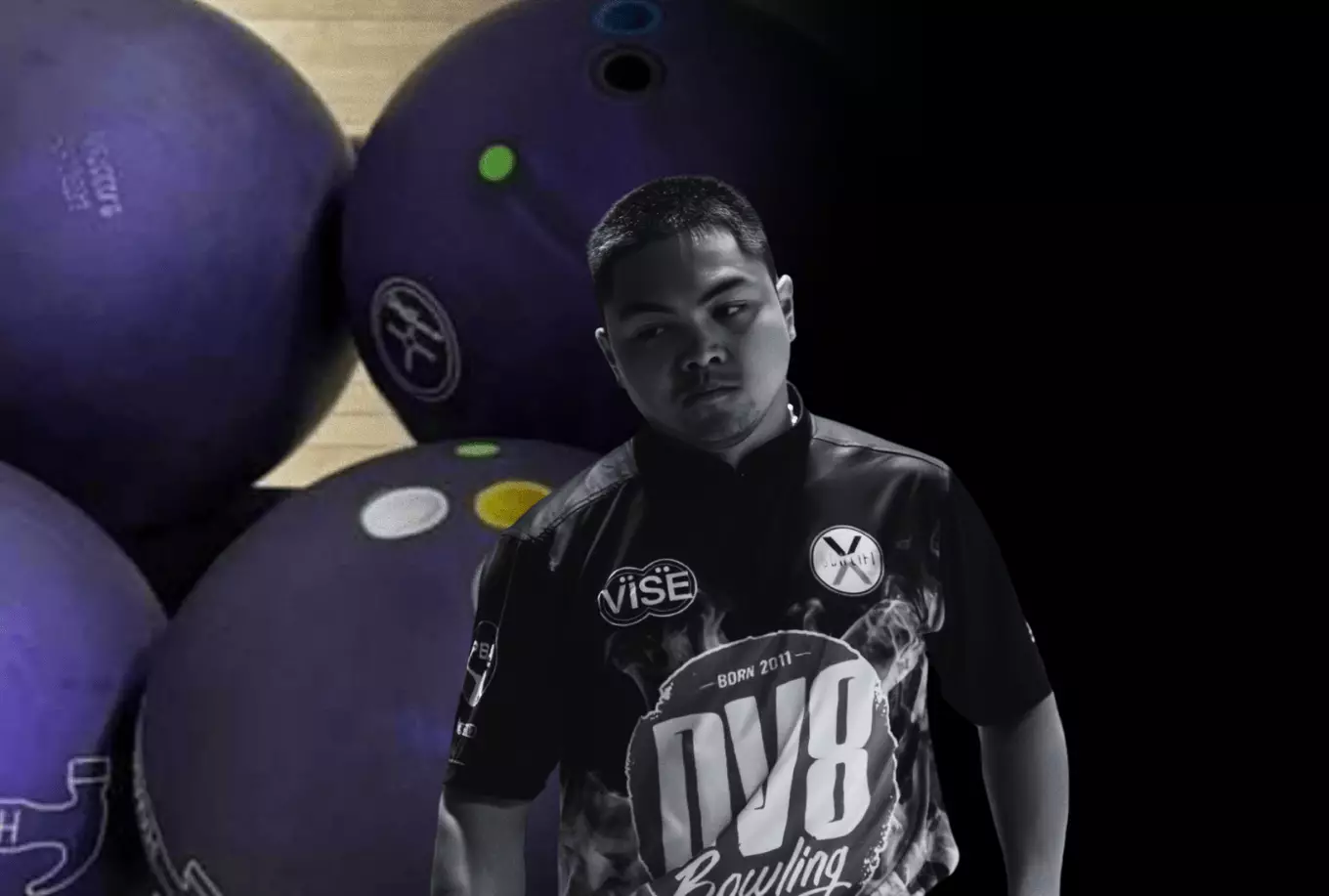
"My initial reaction was surprise, but also understanding," Malaysian National Team member and PBA Tour title winner Tun Hakim told BowlingLife as he reflected on what the decision means for the sport going forward.
According to MTBC, the goal is to protect competitive integrity, keep lane conditions fair, and address equipment-governance issues that have become harder to monitor.
While the ban introduces a major shift, Hakim acknowledges that MTBC is trying to balance between fairness and long-term athlete development.
“Urethane has become a big part of modern lane play, and any restriction will naturally create debate. At the same time, I believe MTBC’s intention is to protect lane integrity and ensure fair competition, so I respect the effort to manage the sport responsibly,” said Hakim.

A Shift Toward Versatility
For many bowlers worldwide, urethane has been an essential part of their arsenal. A new generation of players has grown up with urethane as a foundational tool on all sorts of patterns.
Naturally, removing it will force adjustments - something Hakim sees as both challenging and beneficial.
“I think it will encourage bowlers to rely more on versatility and technical skills rather than a single equipment option. Adjustments will be challenging at first, especially for players who frequently use urethane, but in the long run it could lead to more diverse ball choices and strategic play during MTBC events.”
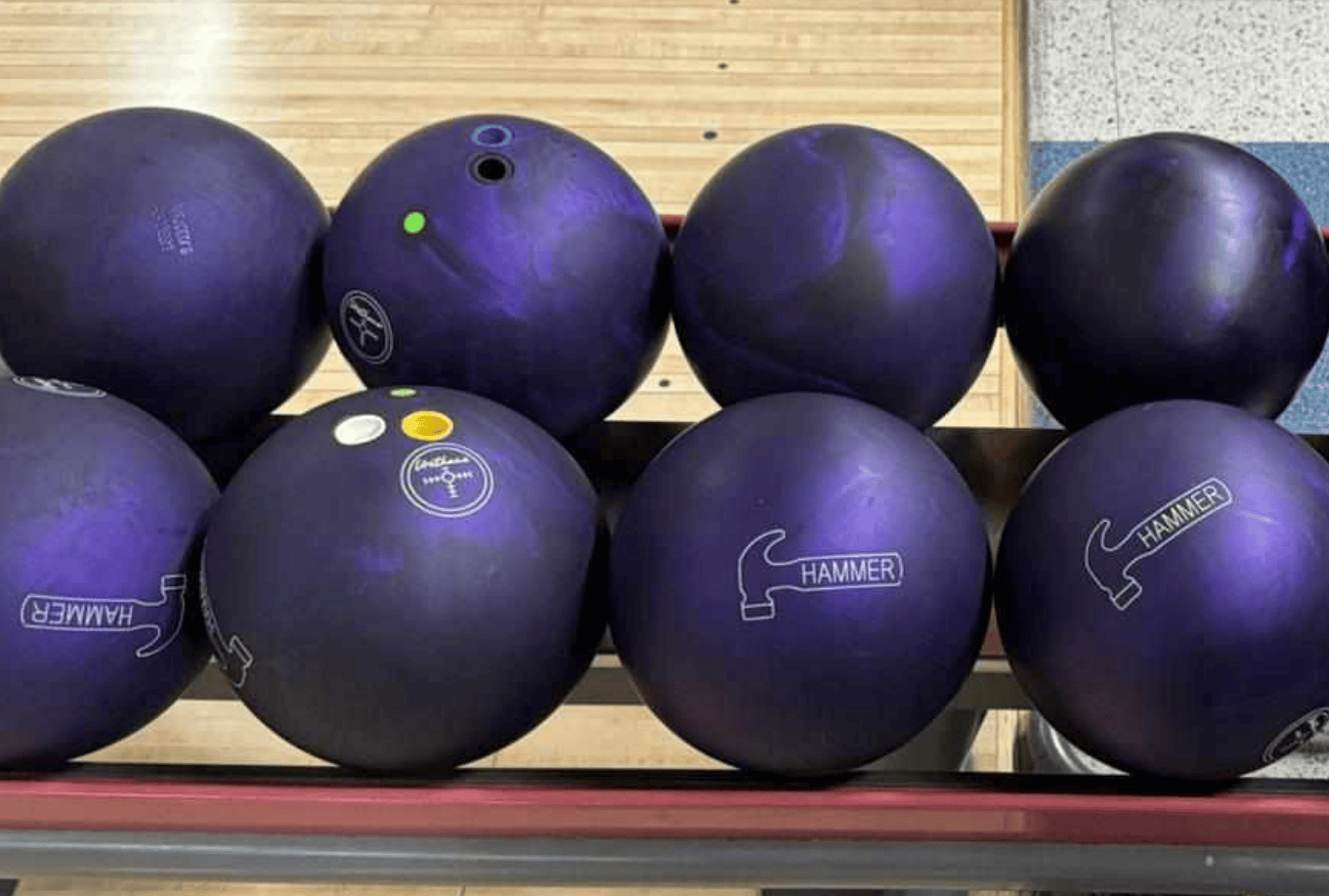
Since urethane is still allowed at big international tournaments like the IBF World Championships, some people wonder if Malaysia might fall behind by not using it locally. At the world level, urethane has been everywhere on the ball racks in recent years.
Hakim doesn’t dismiss the concern.
“It could be a concern if players do not have enough opportunities to compete with urethane locally. However, I don’t see it as a major disadvantage if Malaysian bowlers continue to train internationally and prepare specifically for IBF events. Adaptability has always been an important part of high-level bowling, and that remains true here.”
MTBC said the decision followed a detailed review with technical experts, coaches, and elite athletes, along with an evaluation of global trends, local lane conditions, and USBC research.
In September 2025, the USBC announced that beginning January 1, 2026, slow oil-absorbing high-performance balls will face strict new limits in national tournaments, with some events banning them entirely and others allowing only models made at 78D hardness or higher.