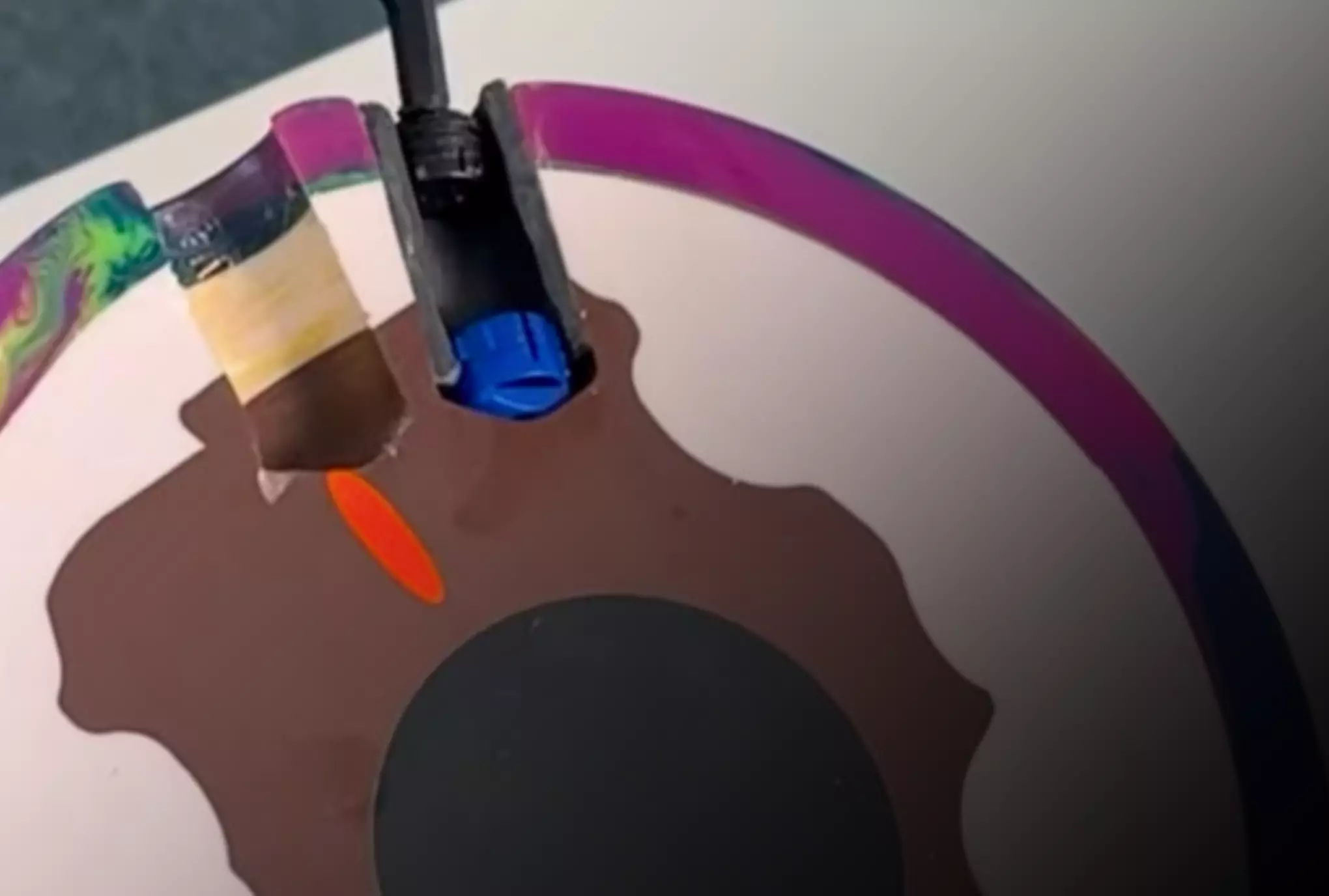
The United States Bowling Congress (USBC) has approved the use of data acquisition devices in bowling balls.
The approval follows testing that found the lightweight sensors have no significant effect on ball motion or performance.
Data acquisition devices are small sensors that record information about a shot. According to USBC's report, they measure a bowler's release and the motion of the ball, using lightweight accelerometers and gyroscopes.
BowlingLife has covered this kind of technology before. In an interview with Witsee, the Lithuanian company's removable sensor was presented as a device that sits inside a bowling ball and tracks RPM, axis tilt, swing height and release speed.
What the Testing Showed
USBC tested balls with and without a sensor. It measured weight, radius of gyration (RG), differential and static balance.
The report concludes that installing the sensors caused little to no change in core characteristics or static weight properties. In the first drilled ball listed, RG values moved by no more than 0.001 and total differential stayed at 0.050.
Ball-motion testing also found no significant effect on performance. The report does not publish the motion data or say who carried out the tests.

Rules for the Devices
Under the updated specifications, a device must weigh less than 0.5 ounces. The report says this is the total weight, including the sensor and any mounting accessories.
The device must be installed in an existing gripping hole or in an interchangeable gripping device. The ball must stay within the established static balance requirements with the device installed. Only one sensor is permitted per ball.
The report adds that the devices are permitted only to collect performance data. The exception does not allow metal weights or other materials intended to change how the ball performs.
USBC says the changes are reflected in the updated USBC Equipment Specifications and Certifications Manual. Neither the announcement nor the report gives an effective date for the sensor rule.
Two More Equipment Changes
USBC also approved two other changes to its equipment specifications.
The first concerns serial numbers. The manual requires each ball to carry a serial number for identification. From Jan. 1, 2028, bowling balls with re-engraved or unidentifiable serial numbers will not be permitted in certified competition.
The second concerns gripping holes. House balls and bowling balls weighing 12 pounds or less are now exempt from gripping hole requirements. The announcement does not give a date for this change.
The full data acquisition device report is available on the USBC website.
USBC has been active on equipment rules this year. Earlier changes to urethane balls at national tournaments took effect on Jan. 1, 2026.
Your Weekly Bowling Digest
The latest bowling news, tips, and gear reviews—all wrapped up in a quick 3-minute read delivered straight to your inbox.