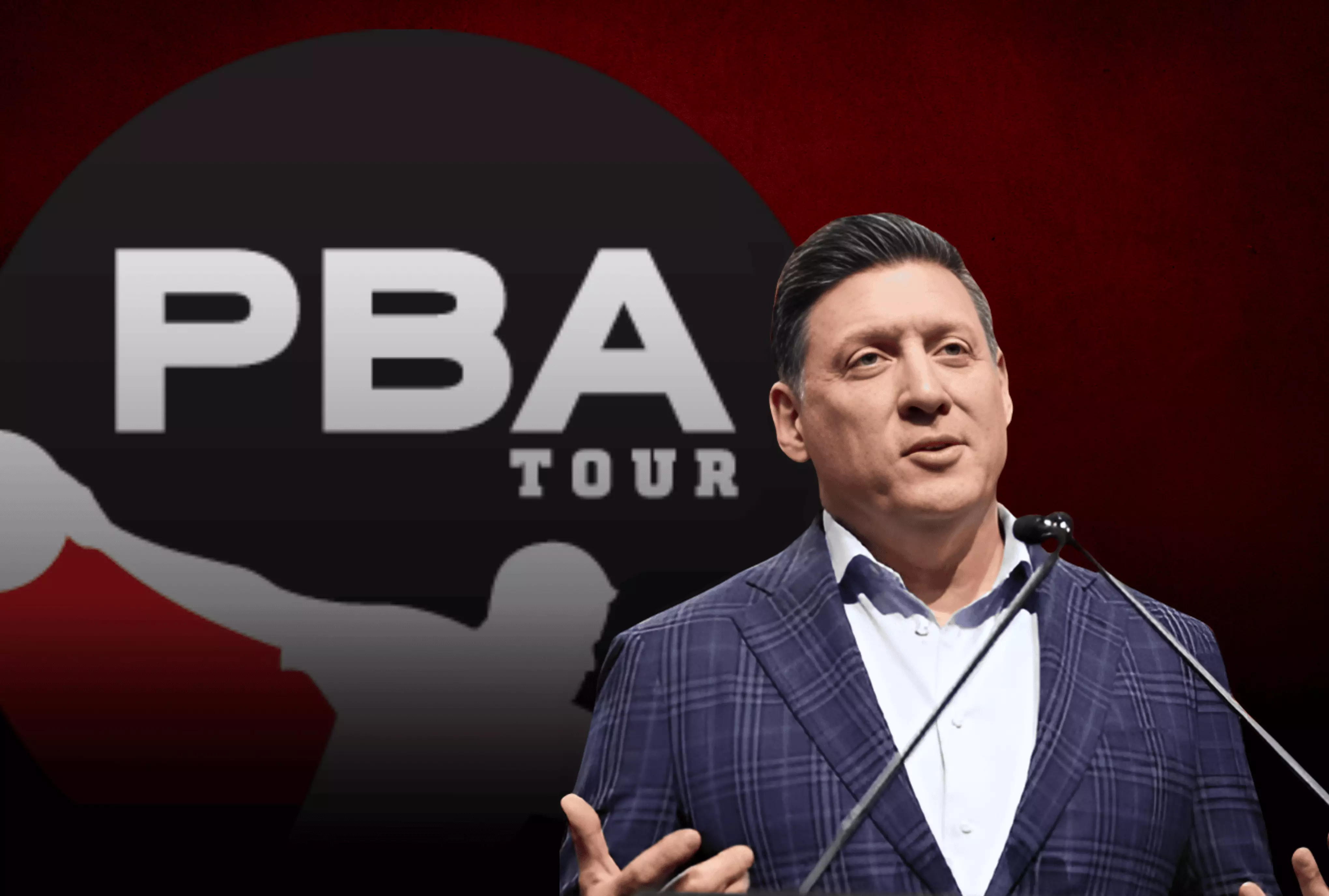
The Professional Bowlers Association has named Peter Murray as its new Chief Executive Officer, with Murray also taking on the role of Head of Media for Lucky Strike Entertainment, the organization that owns the PBA.

The move places long-term strategy, media development, and audience growth at the center of the PBA’s next phase. Rather than focusing only on competition structure, the appointment points toward a broader effort to modernize how professional bowling is presented, packaged, and consumed.
Who is Peter Murray?
Murray arrives from the Professional Fighters League, where he served as founding CEO and helped turn a start-up MMA promotion into an internationally distributed sports property. Under his leadership, the PFL secured major broadcast partnerships, expanded globally, and built its brand around storytelling, athlete visibility, and season-long narratives.
Before that, Murray held senior roles across the sports and media landscape, including executive positions at the National Football League, William Morris Endeavor, Under Armour, and Insignia Sports. His career has consistently focused on the intersection of sport, media rights, branding, and fan engagement.
That background matters, because it suggests the PBA’s priorities are shifting beyond the lanes.
Importance for the PBA
The PBA is already heading into a big transition. Starting in 2026, the tour moves into a new TV era with coverage on The CW Network . With Murray in charge, the focus clearly shifts toward how the sport is packaged for viewers.
With a new CEO whose expertise lies in understanding how media, live experiences, and community intersect, fans can expect more behind-the-scenes access, a stronger focus on personalities, and more player-driven storytelling. The appointment suggests the PBA wants to feel more modern, more visible, and easier to follow for fans who don’t already watch every week.
Lucky Strike’s bigger picture
Murray will also become the Head of Media for the Lucky Strike Entertainment. The idea is to connect pro bowling more closely with everyday bowling. Watching shows, following players, and engaging with the tour could become part of the in-center experience, not just something you see on TV.
If it works, it could help close the gap between casual bowlers and the professional game.
A cautious but interesting step
Lucky Strike and the PBA are betting that the next phase of growth comes from better stories, better exposure, and stronger connections with fans.
Now the real question is simple: can they deliver on it?