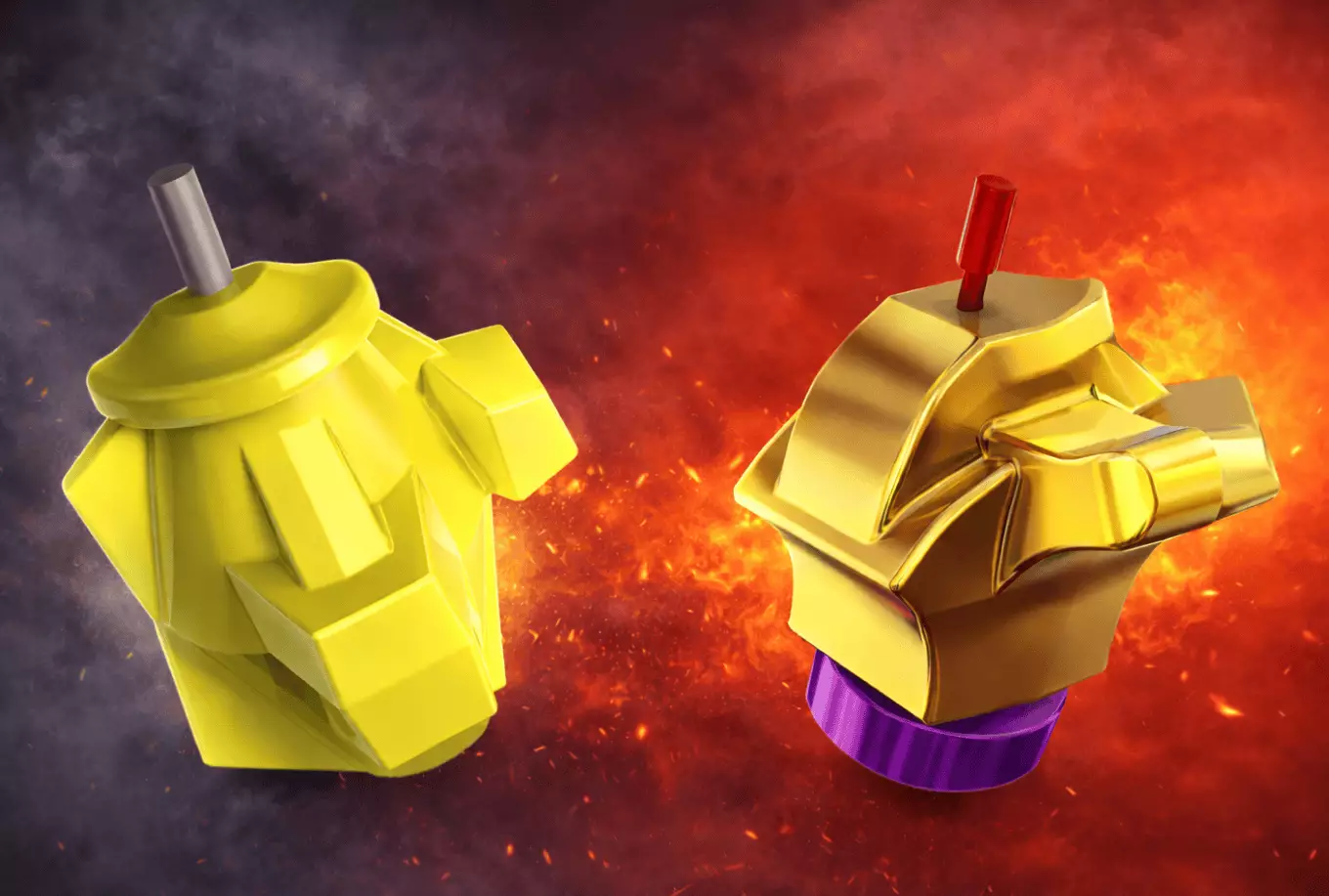
On January 1, Roto Grip officially announced the Transformer bowling ball,
introducing the new Morph-Wing core.
According to Storm Products
Inc., the parent company of Roto Grip, the core was designed to change its
behavior significantly based on drilling, with mass displacement that can
alter core numbers. SPI marketed the Transformer as a ball capable of
producing distinctly different flare characteristics and on-lane motion
depending on how the ball is drilled.

One day later, Radical Bowling published a post on its social media that quickly drew attention. The post shared dictionary-style definitions of innovation and imitation, followed by the question, “What’s next after drilling numbers.”
While the message did not mention any company, product, or release by name, the bowling community immediately connected the Radical post to the release of the Roto Grip Transformer because of its timing and context.
This reaction also brought broader attention to the ideas being discussed and how they fit into the longer history of bowling ball design.
The concept being discussed is not new. The ability to significantly change ball motion through drilling, ranging from layouts that create a perfectly symmetric ball with a 0.000 intermediate differential to layouts that produce very high intermediate differential values, has been used for many years.
This approach has appeared not only in the Roto Grip Transformer and earlier Radical Bowling releases such as the Radical Bigfoot and Radical Evil Eye, but also in other products well before that.
For example, the Radical The Fix, that's been released in 2016, featured the Shapeshifter core, which was designed to produce either symmetric or asymmetric reactions depending on the layout. Track also explored similar ideas with the Alias release in 2018, among other examples.
Amid the discussion, some industry experts emphasized that the focus should not be on who is copying whom. Roland Hickland Jr., CEO of Creating the Difference, addressed the broader topic of how bowling ball ideas develop over time.
“Where confusion tends to happen is people equating 'similar idea' with 'copying,'” Hickland said. “In ball design, ideas evolve. What matters is execution, constraints,measurable outcomes and how much of the variability is intrinsic to the core versus induced by drilling.”
In a broader sense, both brands appear to be using a similar marketing approach by highlighting how a single bowling ball can produce different reactions and lane motion depending on how it is drilled and where it fits within a player’s arsenal.
Radical’s Evil Eye was released in late October 2025, and roughly two months later Roto Grip introduced the Transformer with a comparable focus on post-drilling versatility.
This timing, however, is not unusual within the bowling industry, where manufacturers release multiple balls each month and new products often arrive close together in terms of specifications, concepts, and intended lane conditions.
Nevertheless, the situation once again highlights how closely new bowling ball releases are followed.